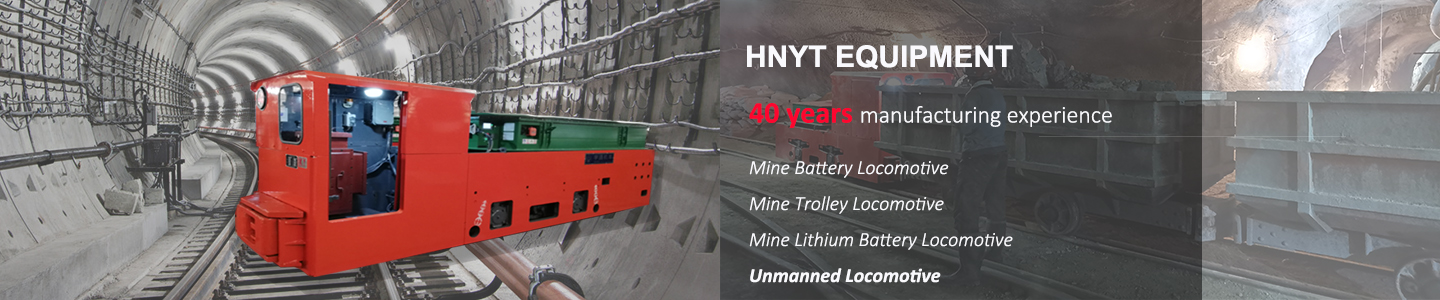
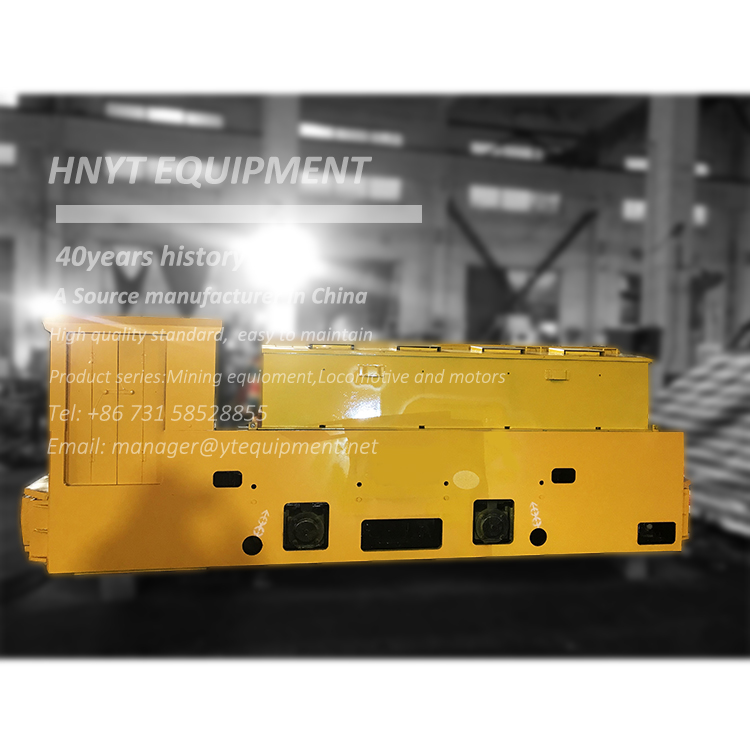
A mining electric locomotive uses electrical power to drive traction motors, which turn the wheelsets through a transmission. Battery models carry their energy supply on board, while trolley models collect power from an overhead contact wire. Both use wheel-to-rail adhesion to move along the track.
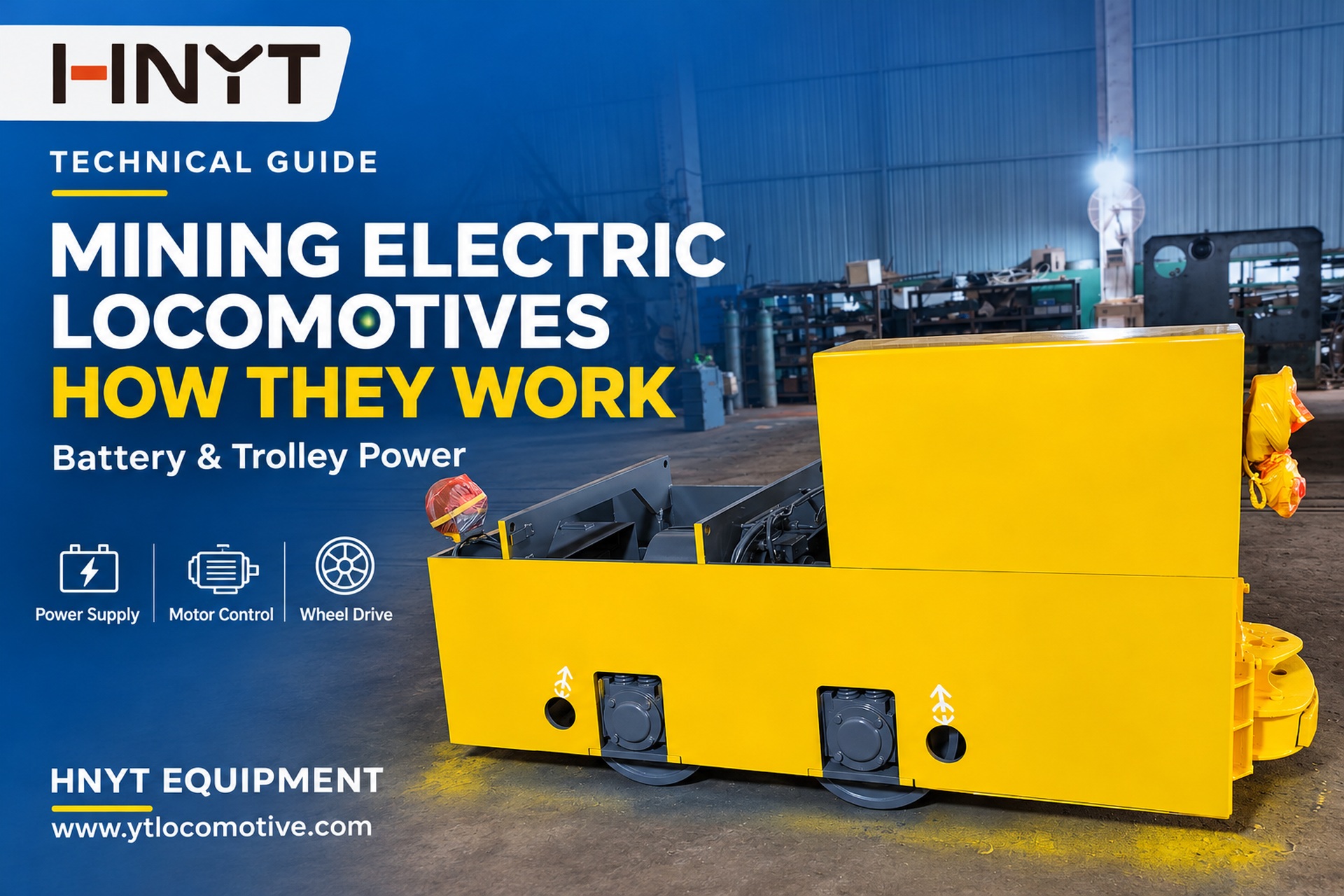
The basic drive chain is power supply, motor control, traction motor, transmission and wheelset. The controller regulates motor operation, and the gearbox adapts motor speed and torque before transmitting movement to the wheels. Adhesion between the driven wheels and rails provides the traction needed to move the locomotive.
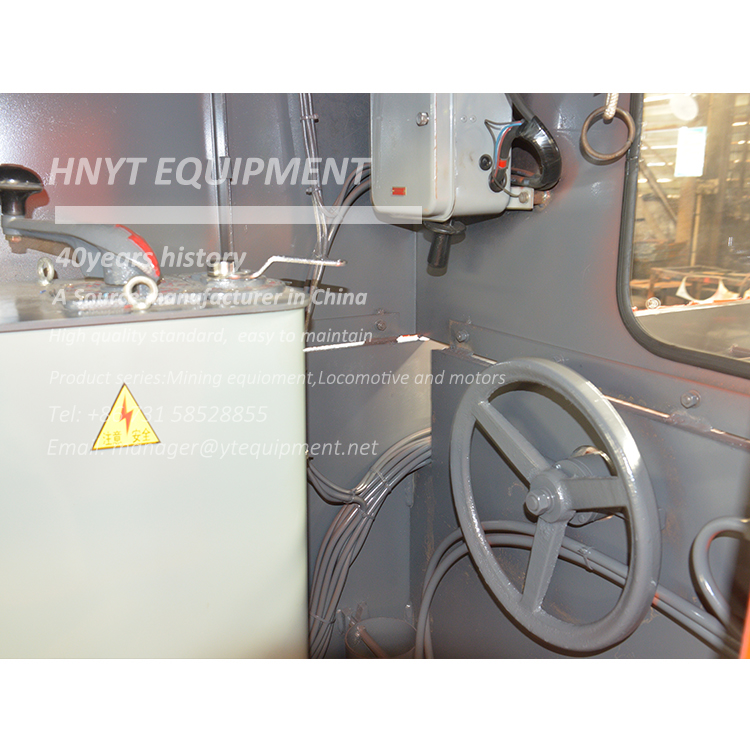
The driver uses the master controller to command travel and direction. Braking equipment, lights and the horn perform separate operating functions. Their arrangement depends on the locomotive configuration.
A battery locomotive draws DC power from its onboard battery pack. The electrical path to the motors depends on the installed control system. Available battery options include conventional lead-acid, maintenance-free lead-acid and lithium batteries; the selected pack must be matched to the locomotive configuration.
An AC-drive battery locomotive still starts with DC battery power. A traction converter changes that DC supply into controlled AC for the traction motors. The motors then drive the axles through the transmission. Battery power therefore does not mean that every locomotive uses a DC traction motor.
In the conventional DC trolley arrangement, external AC power is stepped down by a transformer and converted to DC by rectification equipment. An overhead contact wire supplies the locomotive through its current collector. Power then passes through the relevant protection and control equipment to the motors, with the rails forming the return path.
The practical distinction is the source of electricity: an onboard battery system or an external contact-wire system. This does not, by itself, identify the motor type, controller or braking arrangement.
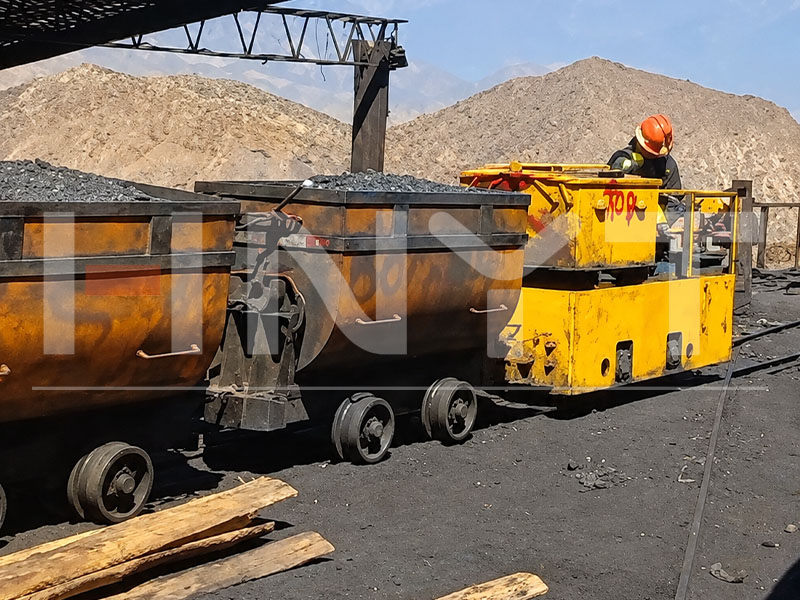
Our locomotive range includes resistance control, IGBT chopper control and AC frequency-conversion control. Resistance control changes resistance in a DC motor circuit. Chopper control provides electronic speed regulation, while an AC drive uses a converter to supply and control AC motors.
A resistance box is therefore part of some drive arrangements, rather than a universal component of every mining electric locomotive. Check the controller and motor combination when comparing locomotive specifications.
Mechanical, pneumatic, hydraulic and electrical braking are listed across the product range. The available combination must be checked for the specific model; the battery or trolley label alone does not establish its braking equipment.
Start with the available power supply and the track layout. Provide the track gauge, route gradient, minimum curve radius, clearance and expected train load for a configuration review. Confirm the quoted supply voltage, controller, motor arrangement and braking equipment together.
For battery equipment, also confirm the battery and charging arrangement. For trolley equipment, confirm compatibility with the contact-wire supply. These checks support model selection; a general explanation of the working principle cannot establish a hauling capacity for a particular route.
No. An AC-drive version converts DC battery power into controlled AC for its traction motors.
No. Resistance, IGBT chopper and AC frequency-conversion controls are listed options. Check the installed system.
No. Track conditions, load requirements, motor control and braking configuration also need review.
Explore our battery locomotive range or contact HNYT with your power supply, track conditions and transport requirements. These details provide a starting point for reviewing a mining electric locomotive configuration for your site.
←How to Choose a Mining Battery Locomotive?
No Information→