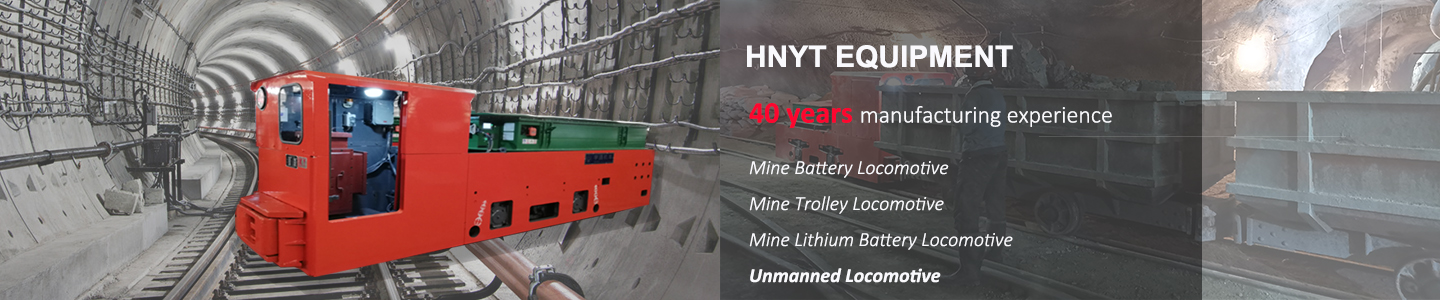
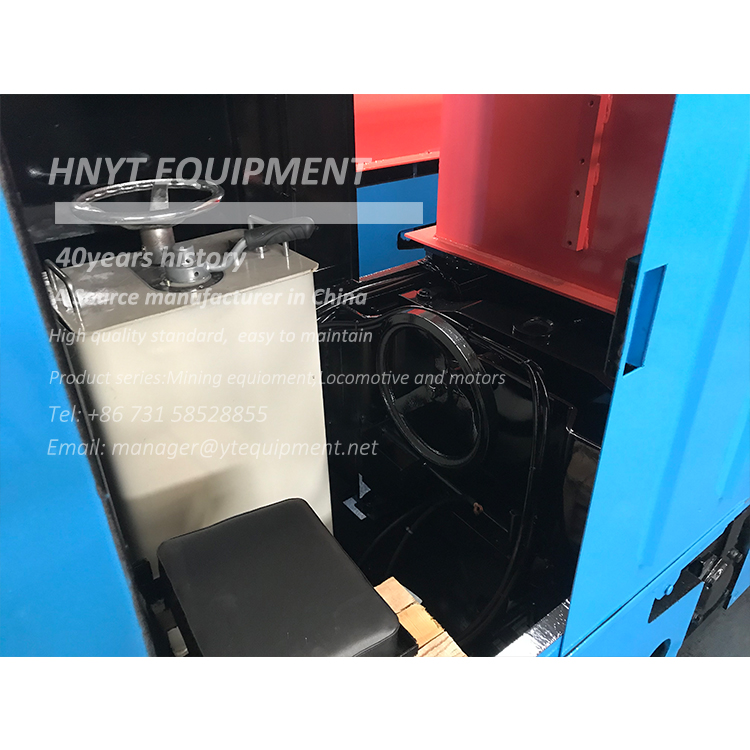
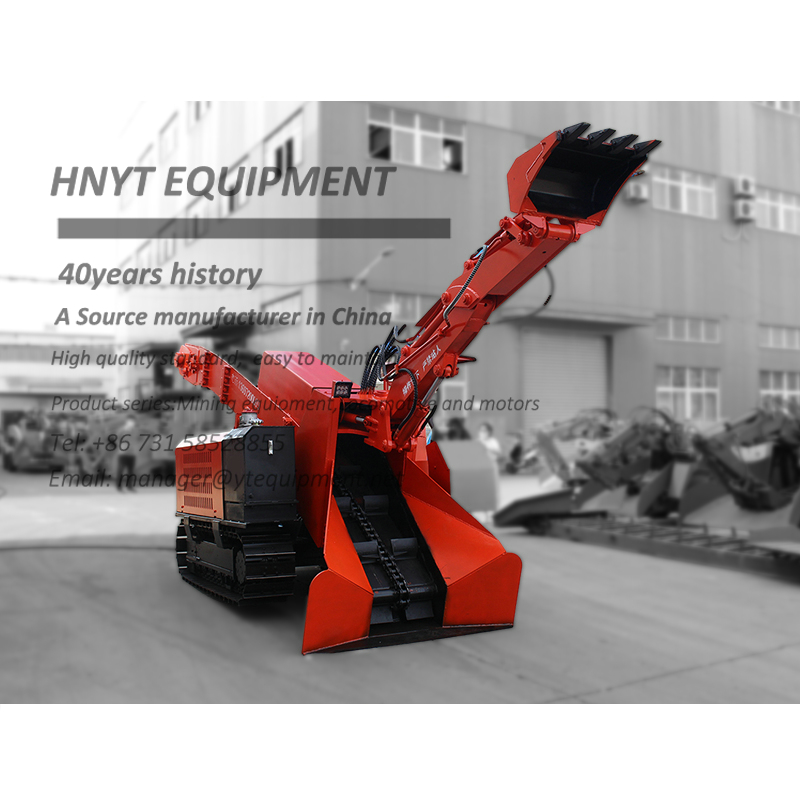
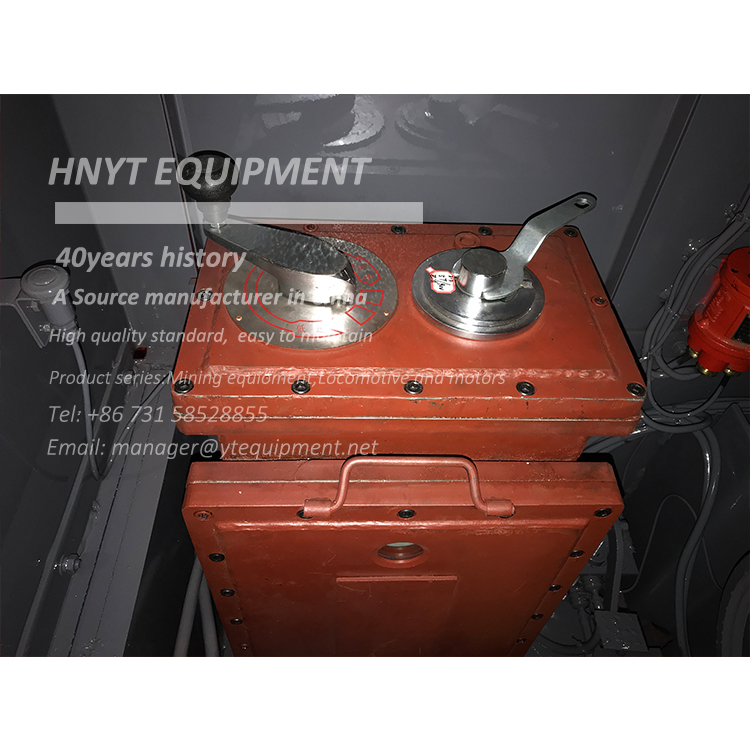
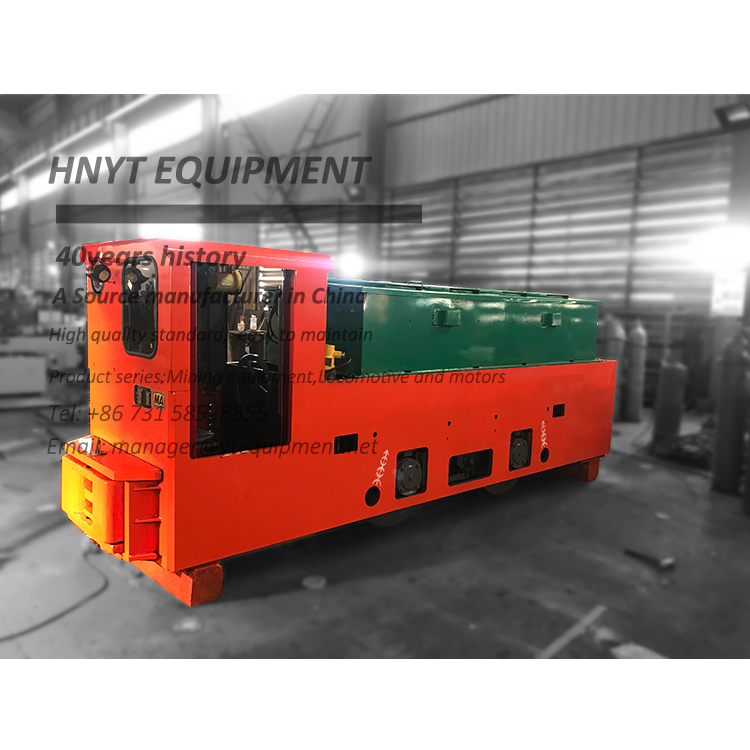
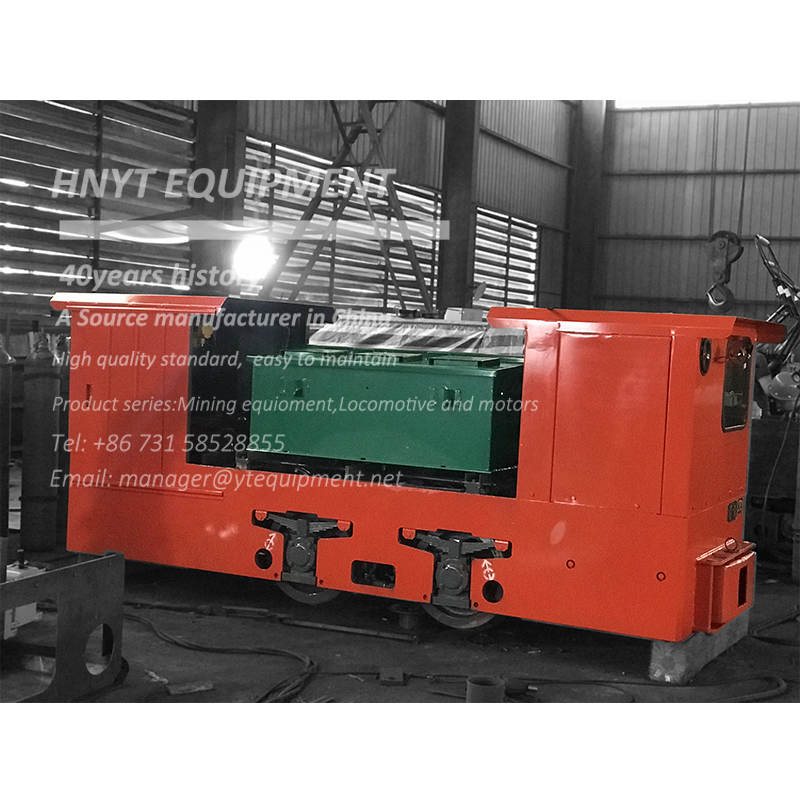
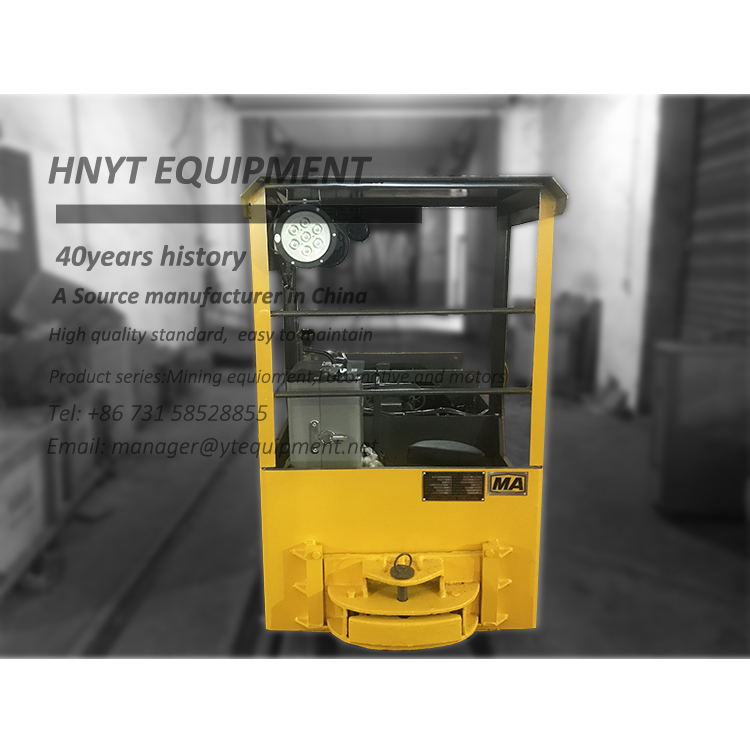
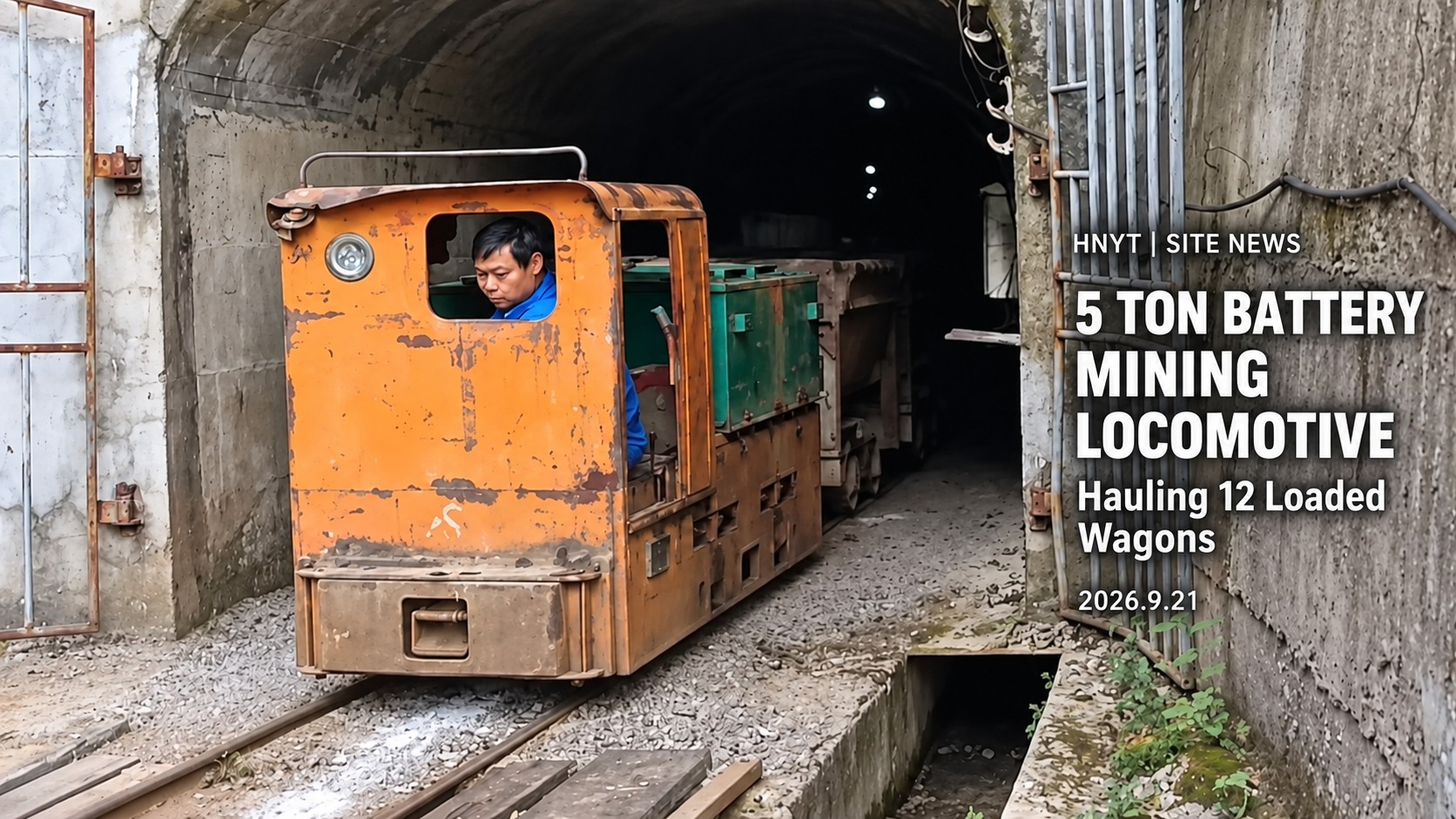
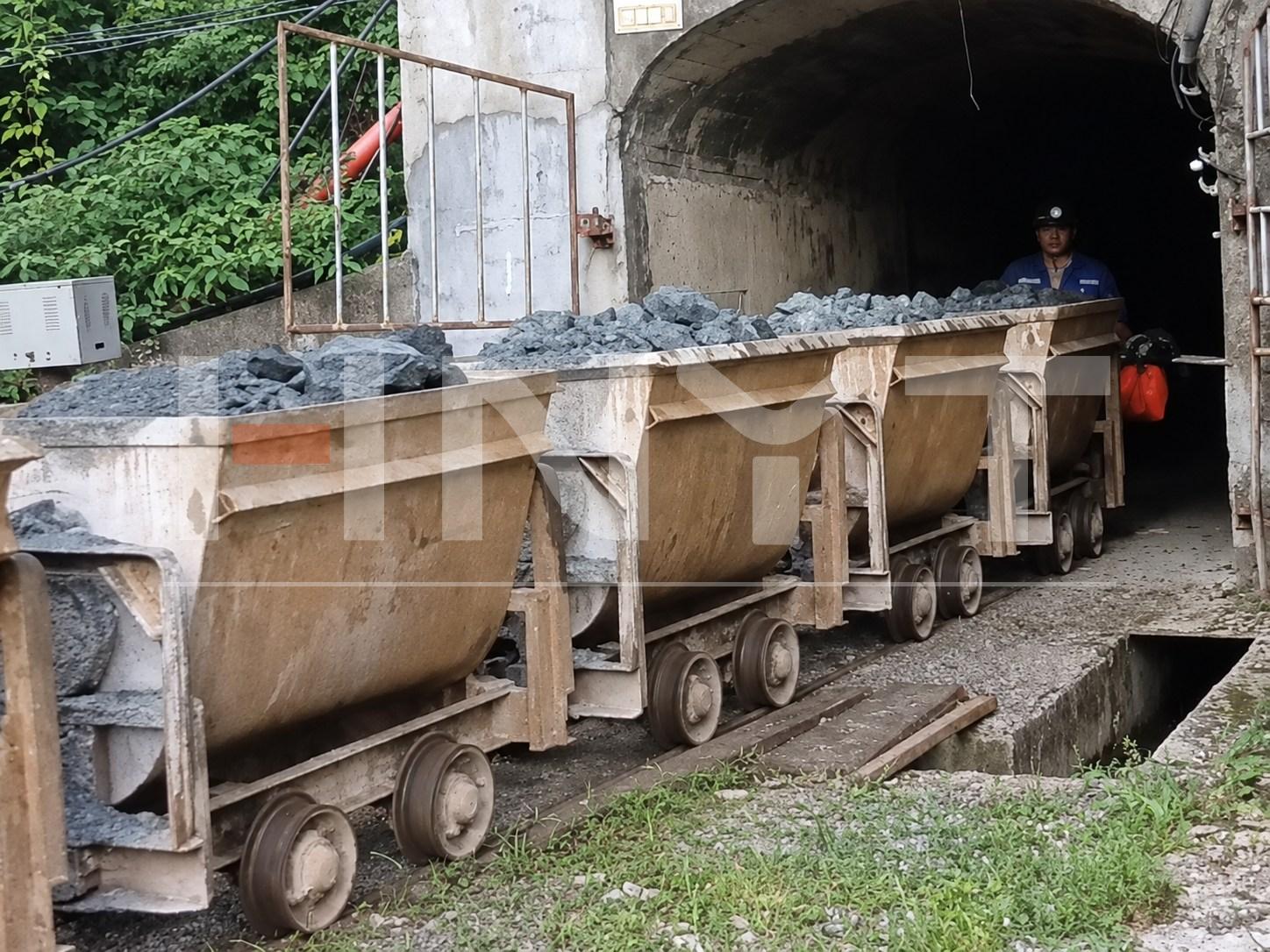
On September 21, 2026, one 5 ton battery mining locomotive hauled 12 loaded tipping mine wagons out of a mine tunnel and toward the unloading point. The locomotive operates on 600 mm gauge track with chopper speed control. Each wagon had a reported loaded weight of about 3 tonnes. This HNYT site update follows the train from the tunnel entrance through the surface yard to the unloading area.
Item | Specification |
Locomotive quantity | 1 unit |
Locomotive weight | 5 tonnes |
Track gauge at this site | 600 mm |
Speed control at this site | Chopper control |
Wagon formation | 12 loaded tipping wagons |
Reported loaded weight per wagon | About 3 tonnes |
For equipment comparison, the official 5 ton battery powered mine locomotive product page lists the following reference specifications. These are model specifications, rather than measurements taken during this site operation.
Published model reference specifications
Item | Specification |
Tractive effort / maximum tractive effort | 7.06 kN / 12.26 kN |
Battery voltage / capacity | 90 V / 385 Ah |
Traction motor power | 2 × 7.5 kW |
Listed speed | 7 km/h |
Wheelbase / minimum curve radius | 850 mm / 6 m |
The reference hauling load for this application is around 40 tonnes. At the stated loaded weight of about 3 tonnes per wagon, the 12-wagon formation represents approximately 36 tonnes behind the locomotive. This figure refers to loaded wagon weight, not net material payload.
Hauling load in tonnes must be distinguished from tractive effort in kN. The 40-tonne reference is not a universal load limit; the permitted train load requires assessment of the actual route and operating conditions.
The first view shows the battery powered mine locomotive emerging from the tunnel, with the loaded wagons following on the same track. The orange cab and green battery compartment are visible as the locomotive reaches the mine entrance. In the following view, the tipping wagons pass through the entrance with material remaining in their bodies.
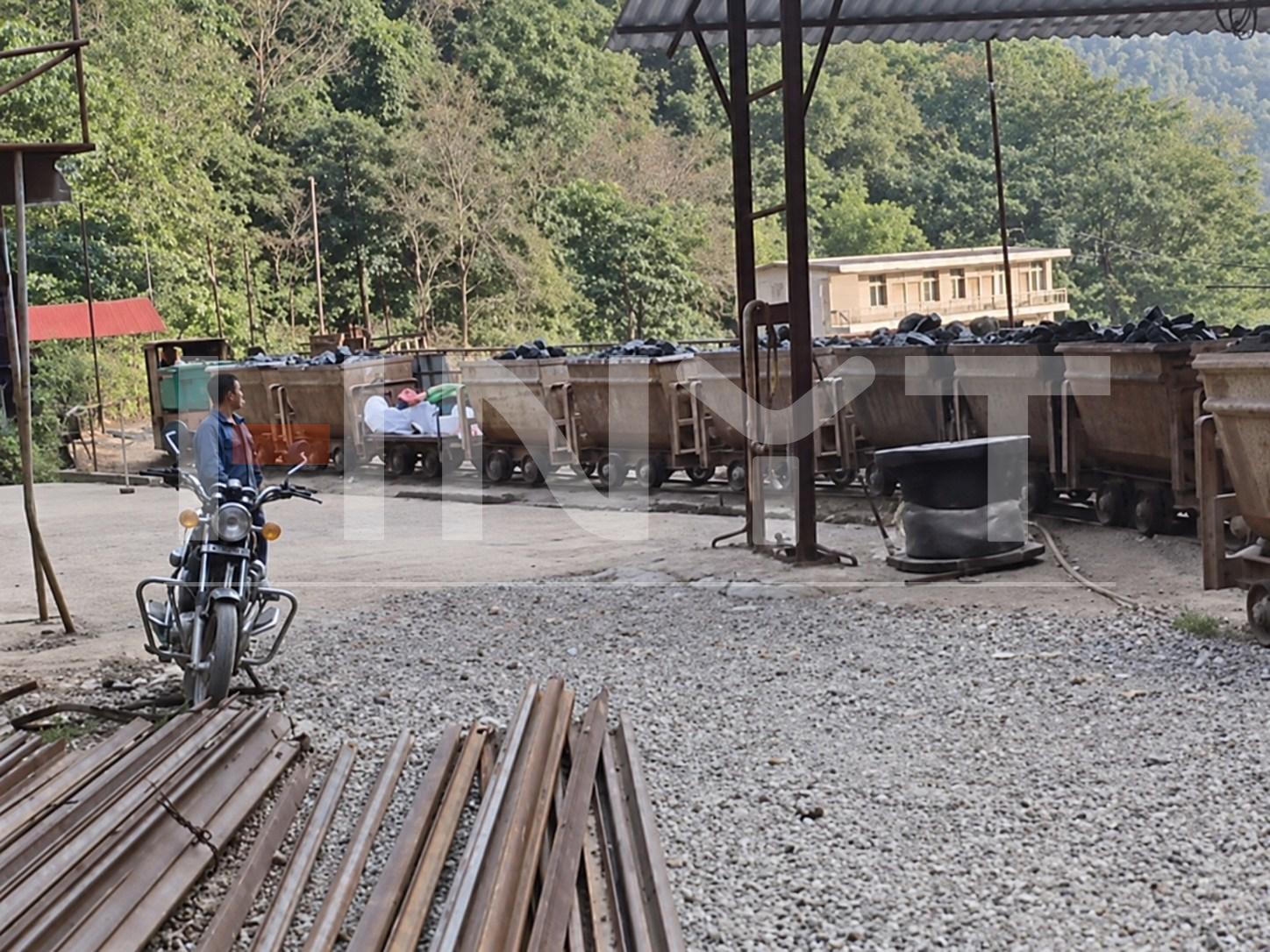
Once outside, the train continues through the surface yard toward the unloading area. The wider view shows the locomotive at the head of the formation and the loaded wagon line extending across the yard. This stage connects the underground haulage route with the surface receiving point.
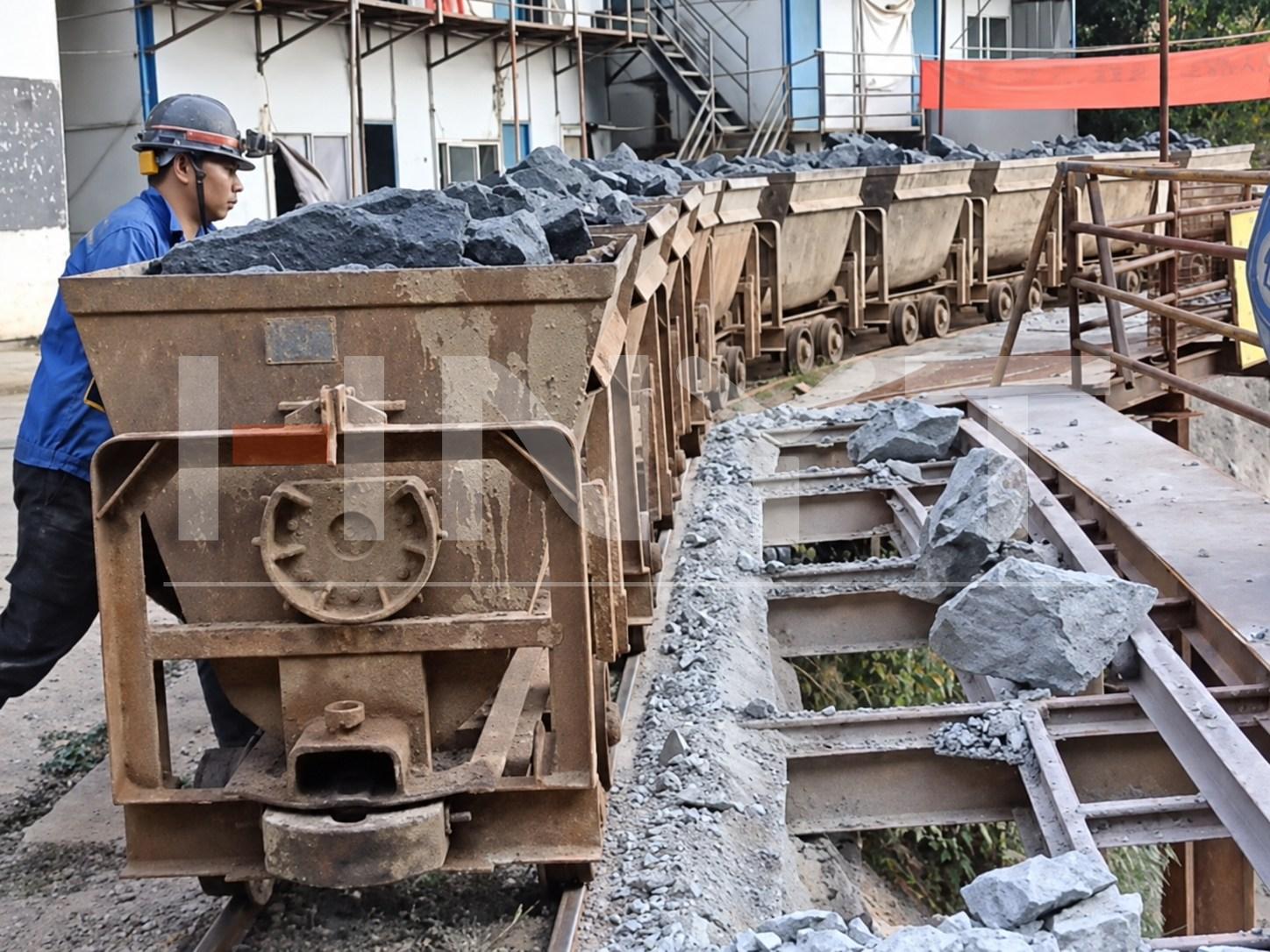
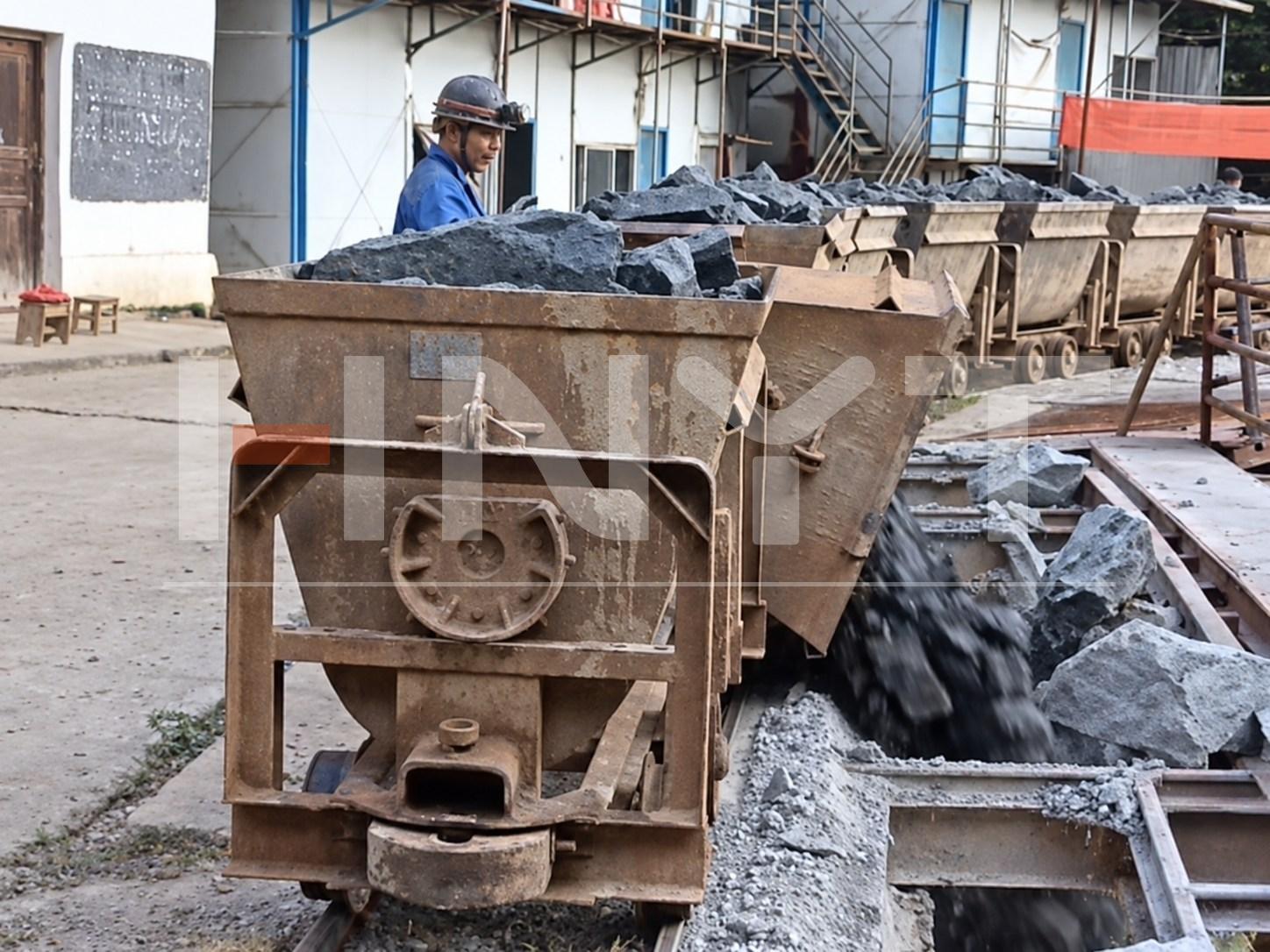
At the unloading point, the wagons are positioned beside the receiving structure. The final views show a loaded wagon before discharge and a wagon tipping material into the receiving point. Together, these stages document the haulage and unloading sequence: the locomotive moves the train along the rails, while the tipping wagon releases its load at the destination.
For mine owners and purchasing teams, this operation provides a practical example of an underground battery locomotive working with a multi-wagon train. The 600 mm gauge and chopper control are the confirmed site configuration, while the loaded wagon weights describe the transport duty. Keeping these details together gives buyers a clearer basis for discussing a similar application.
The site sequence also shows why locomotive selection should be considered alongside the wagon formation and unloading arrangement. The locomotive brings the loaded wagons to the receiving point, and the tipping bodies discharge the material there. A comparable inquiry should therefore describe both the rail haulage route and the wagons to be moved.
· 5 ton battery powered mine locomotive specifications
· Locomotive controller and configuration options
· 600 mm track gauge underground mine battery locomotive
For a 5 ton battery mining locomotivequotation, email HNYT at export@ytequipment.net with your required quantity, track gauge, maximum gradient, minimum curve radius, loaded wagon weight and wagons per train. Review the product specifications above and request a configuration for your site.