Choose a mining electric locomotive by loaded train mass, route gradient, track geometry, braking needs and duty cycle. A 5 ton locomotive weighs about 5 tonnes; that figure is not its hauling capacity. This method applies across tonnages and to battery or trolley types.
Record wagon tare weight, payload per wagon, wagons per train and required tonnes per shift. Provide haul distance, maximum gradient with its unit, minimum curve radius, track gauge and tunnel clearance. Include loading, unloading and waiting times.
Identify mine type, gas or dust hazards, temperature, rail condition and charging facilities. Where explosion protection is required, confirm the complete equipment configuration and applicable approvals; battery power alone does not make a locomotive explosion-proof.
1. Calculate moving mass. For an illustrative train of ten wagons, each with 1 t tare and 2 t payload: loaded wagons = 10 × (1 + 2) = 30 t. Add a 5 t locomotive for 35 t total moving mass. Net material payload is only 20 t.
2. Check traction and braking separately. Ask for a route calculation covering starting, gradients, curves, rolling resistance and wheel adhesion. Maximum starting force is not a continuous rating. Verify stopping and holding performance for the loaded train, especially downhill.
3. Check physical fit and output. Confirm gauge, wheelbase, curve clearance, coupler height and track loading. Calculate trips per shift from the full transport cycle, then match motor duty and usable battery energy to the schedule.
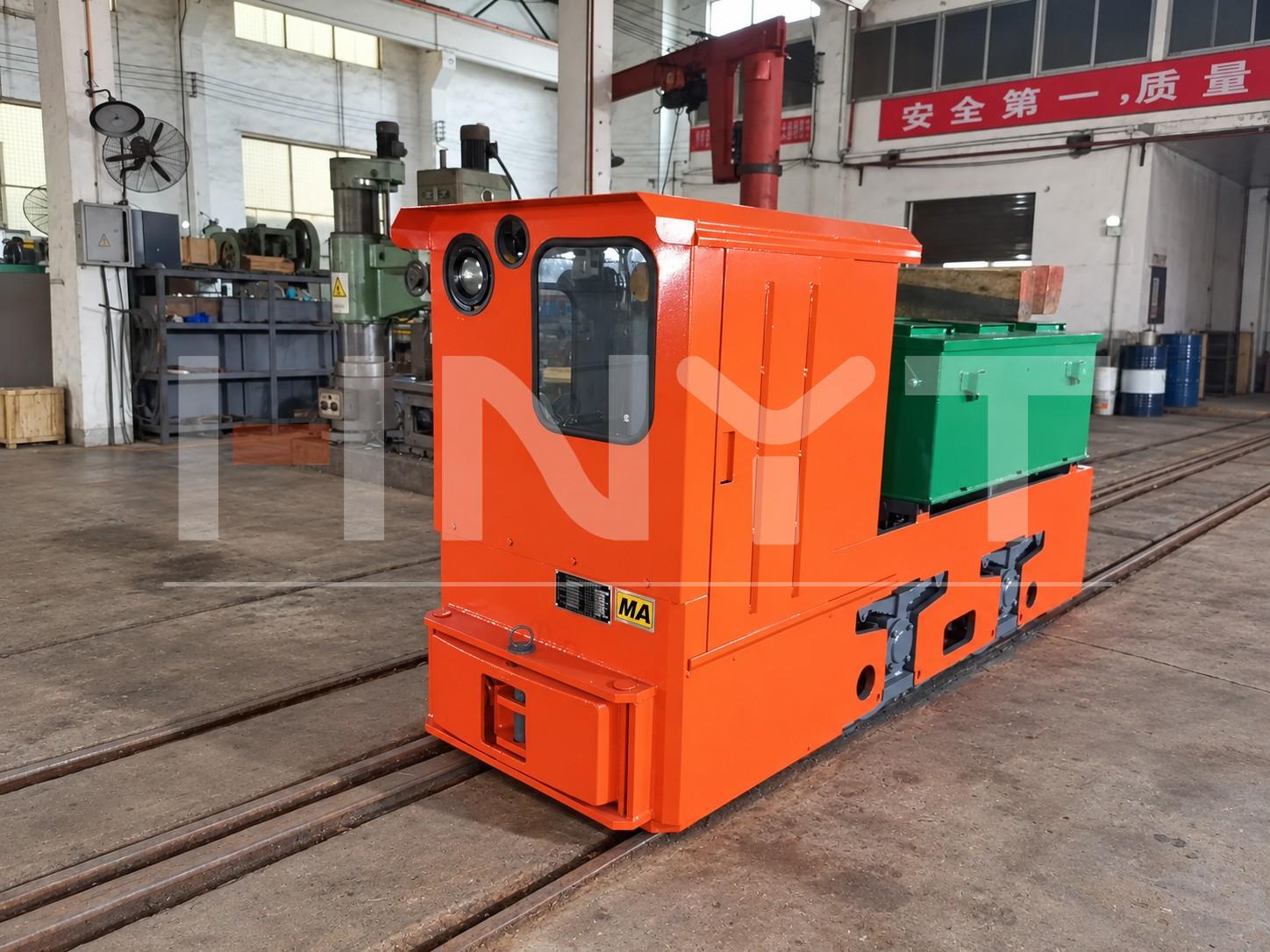
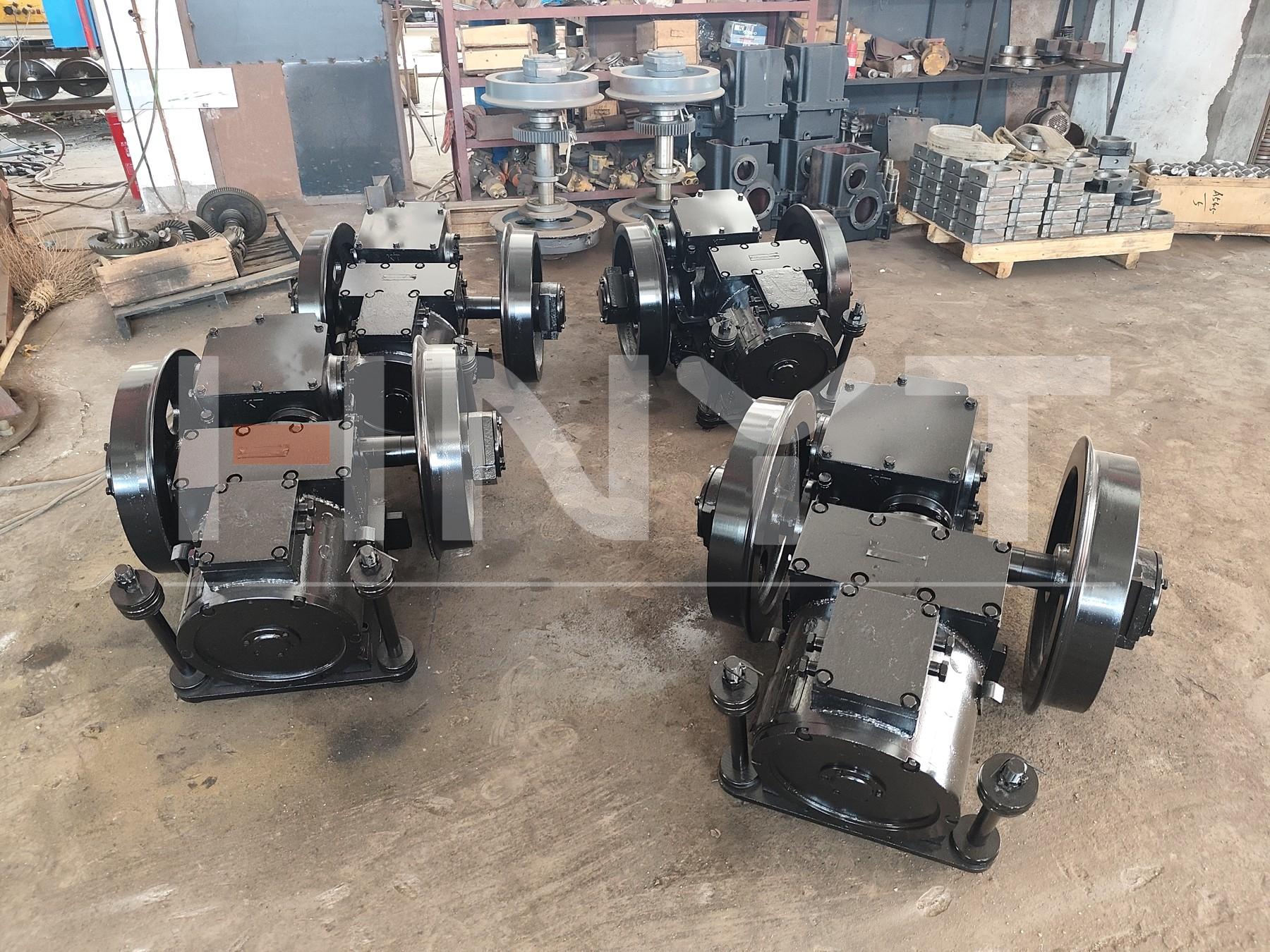
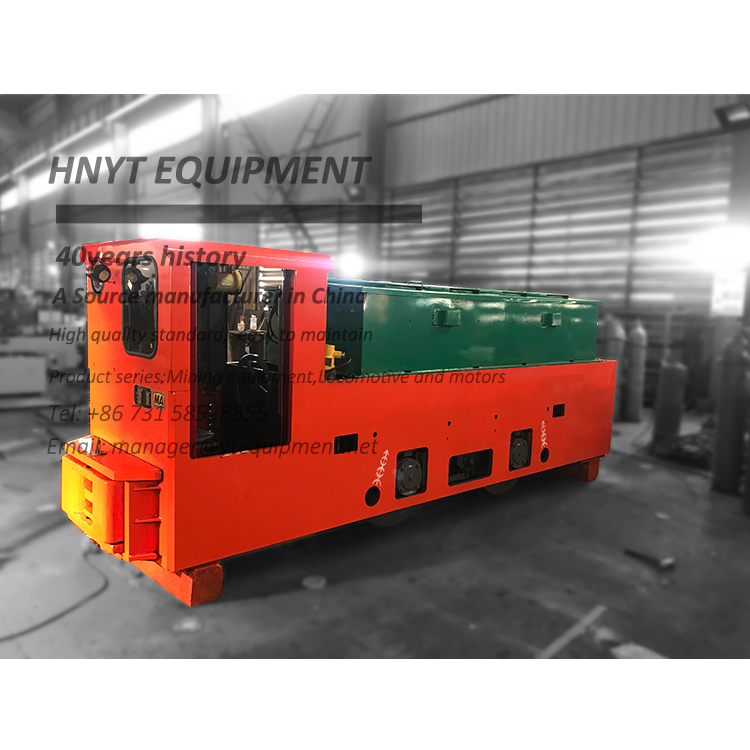
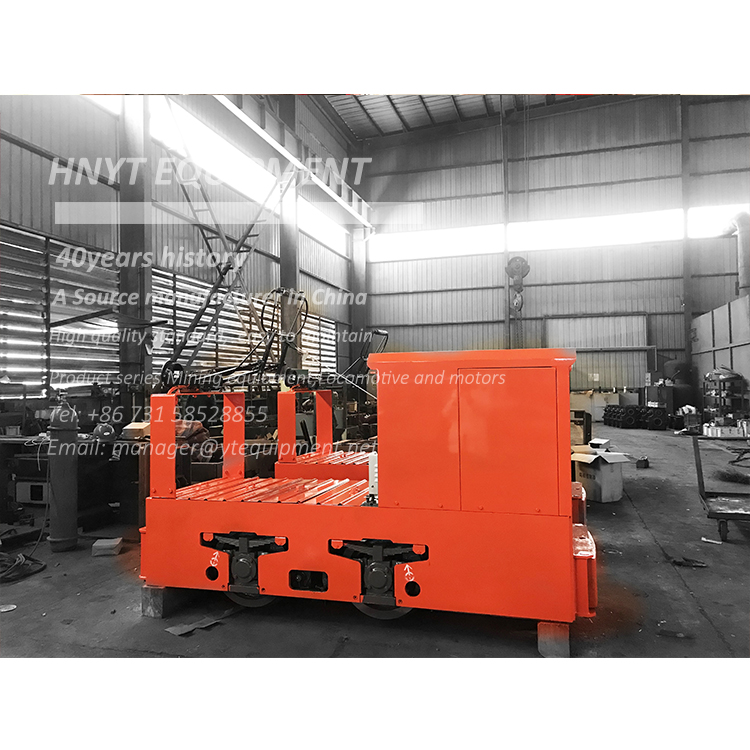
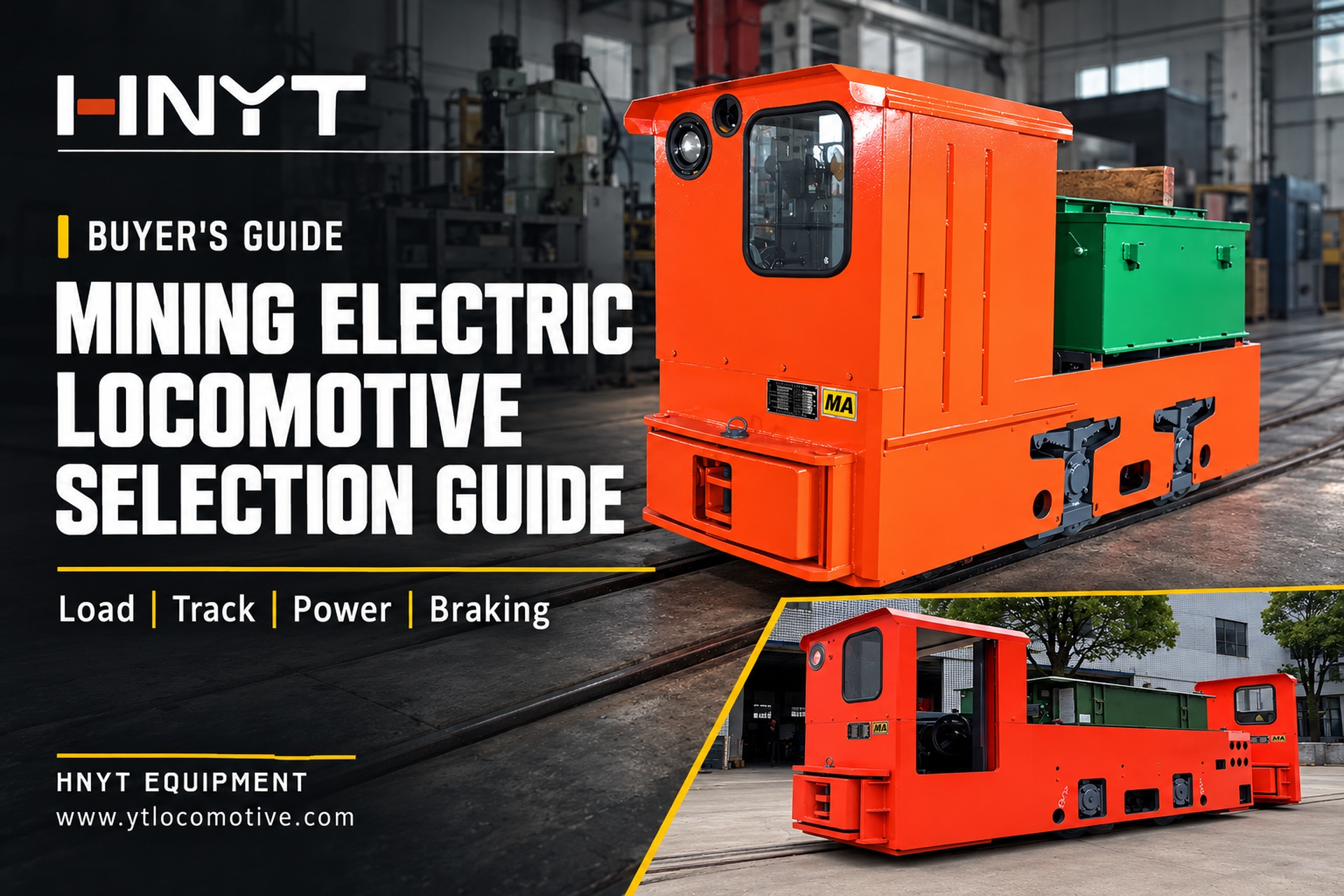
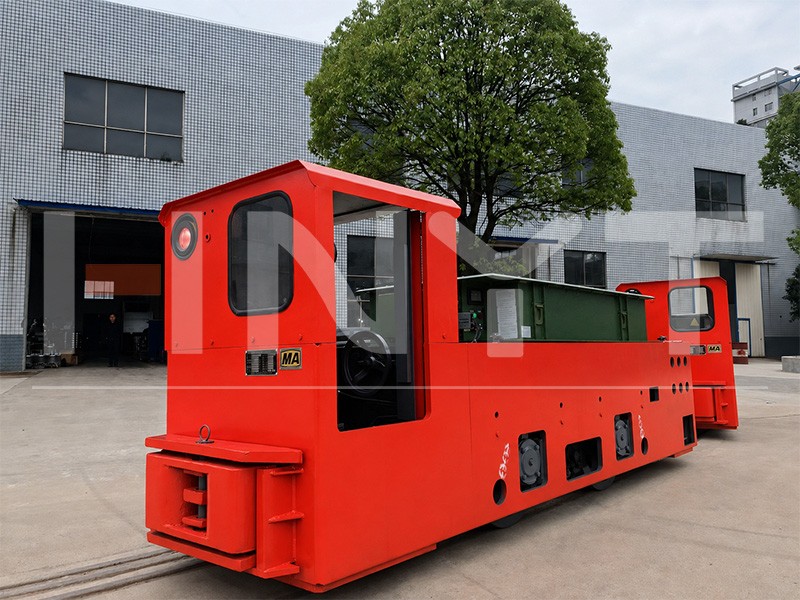
CTY2.5 and CTY5 illustrate the comparison method, not the full range. Other options include 8 t, and 12 t battery models and trolley wire type locomotives. Select the class by route calculations; confirm the exact configuration before ordering.
Reference parameter | CTY8 | |||
Locomotive weight | 2.5 t | 5 t | 8 t | 12 t |
Listed traction / maximum | 2.55 / 6.13 kN | 7.06 / 12.26 kN | 12.83 / 19.62 kN | 16.48 / 29.43 kN |
Motor power | 1 × 3.5 kW | 2 × 7.5 kW | 2 × 15 kW | 2 × 22 kW |
Minimum curve radius | 5 m | 6 m | 10 m | 10 m |
Small model has a shorter body and smaller listed curve radius; big model offers higher listed traction but needs more space. Neither is suitable solely because its tonnage matches a previous purchase.
Choosing by motor power alone can overlook wheel slip and braking limits. Comparing only amp-hours ignores battery voltage and usable energy. Treating 3‰ as 3% overstates the gradient tenfold. Copying another site's wagon count can overload a train on a different route.
For routes without overhead wiring, compare battery locomotives and plan charging or battery exchange around shifts. For fixed routes with a suitable, permitted overhead supply, evaluate a trolley locomotive and its electrical infrastructure.
Consider the full model range against the route and production target. For shuttle work, discuss visibility and cab layout; for wet rails, assess adhesion and sanding. Match braking, controls, spares and maintenance access to site conditions.
HNYT's 5 ton locomotive site report shows a 12-wagon operation. It is a site example, not a universal load rating. See also battery device maintenance and electrical braking faults when planning support.
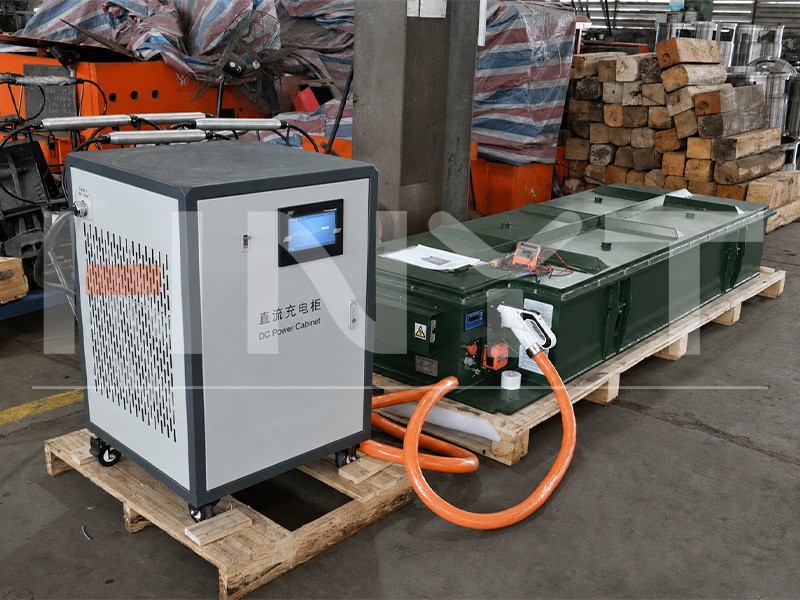
More usable energy may extend running time, but it does not by itself increase adhesion, motor capability, coupling strength or braking capacity. Reassess the complete locomotive before changing its load limit. Any replacement also needs compatible voltage, current limits, controls and charging equipment.
That depends on load, gradients, distance, stops, auxiliaries and battery condition. Request an energy assessment for the actual shift and include charging time and reserve in the plan. A nominal battery capacity or a quoted charging time cannot guarantee shift coverage.
Send the route profile, gauge, smallest curve, tunnel dimensions, wagon tare and payload, train length, haul distance, shift target, mine environment and available power supply. Include charging windows, required quantity and any existing locomotive or wagon drawings for a configuration review.
Send HNYT these operating details through the inquiry form to discuss the locomotive model, battery or trolley supply, braking configuration and quotation.