A lead-acid mining battery locomotive may run after charging, but lose power quickly during hauling. In other cases, the charger shows voltage while current is very low, or battery terminals heat abnormally. Repeated undercharging shortens battery life and reduces underground haulage efficiency.
A practical inspection starts with the charging connector and battery terminals, then moves to electrolyte condition, single-cell voltage, charger output and charging time.
The charger can read pack voltage while current rises slowly or stays near zero. Common causes include poor plug contact, loose output cable, blown fuse, weak rectifier or incorrect charging setting.
Weak traction, slow acceleration and shorter running time after charging usually mean the battery was not fully charged, or some cells have lost capacity.
Hot terminals, acid smell, heavy gassing or visible corrosion indicate high resistance or unsuitable charging current. Stop charging and inspect before the next cycle.
Coal dust, moisture and vibration can loosen cable lugs and oxidize terminals. High contact resistance limits current and creates heat even when the charger is normal.
Lead-acid cells need correct electrolyte level. Low liquid exposes plates, accelerates aging and makes the battery harder to charge fully.
If a battery is often left undercharged or deeply discharged, sulfate crystals harden on the plates. The battery then accepts less current and stores less energy.
A damaged fuse, rectifier, control board or output cable can cause voltage without useful current. Charging time that is too short also leads to insufficient charge.
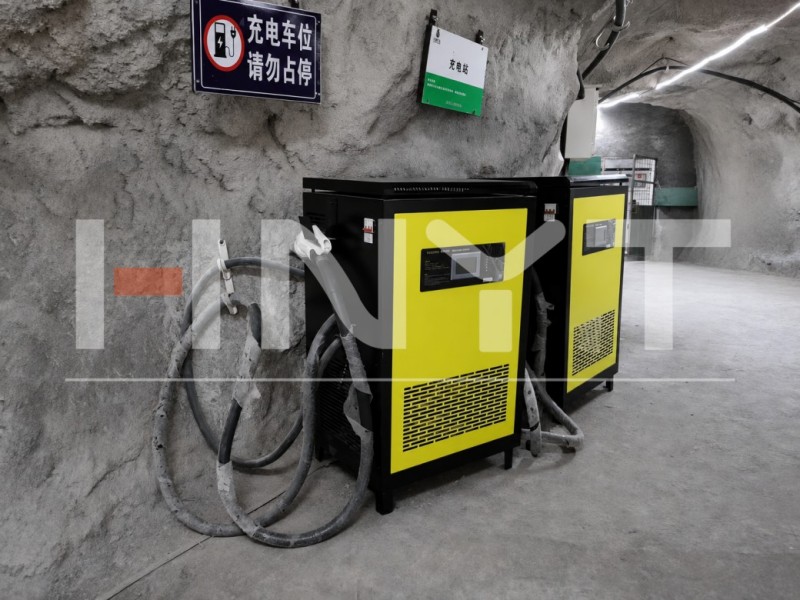
Charge only in a ventilated charging room with fire equipment nearby. Stop charging before inspection, and keep smoking, open flames and metal tools away from the battery top.
Use a dedicated charging plug. Confirm positive-to-positive and negative-to-negative connection. Inspect the plug shell, socket, output cable and fuse. Tighten terminals only after power is isolated.
Clean terminal surfaces, cable lugs and connecting bars. Replace burnt, cracked or badly corroded parts, then confirm every connection is firm.
After the battery cools, check electrolyte level and specific gravity by site battery procedure. Add only distilled water when the level is low unless the battery instruction requires another method.
Check that charger voltage, current and timing match the battery pack. A full charge and low-current finishing stage help reduce sulfation and keep cells balanced.
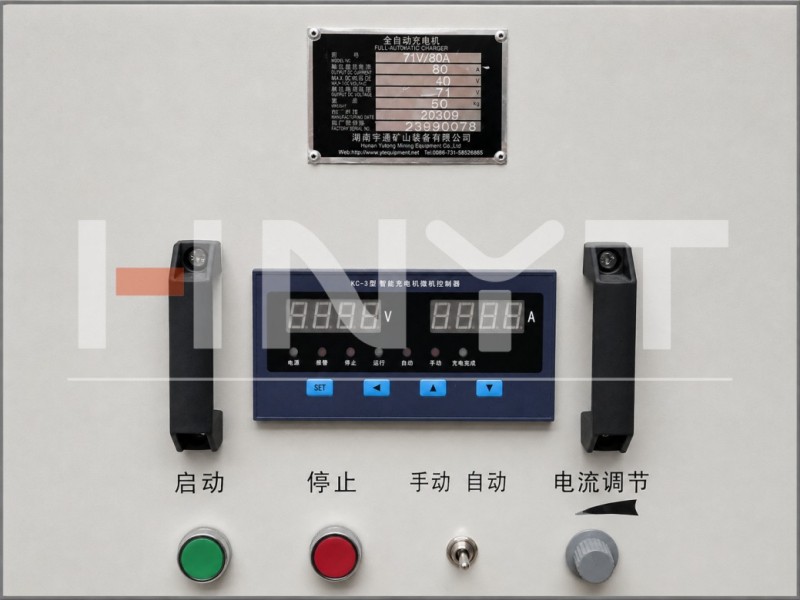
Avoid deep discharge, keep the battery dry, record charging voltage and current, and inspect terminals daily. Do not wash the battery box directly or place tools on the battery.
Measure cell voltage and electrolyte condition regularly. Keep the charging room clean, confirm ventilation, and repair damaged plugs or output cables before repeated undercharging occurs.
Request service when one cell remains much lower than the others, the battery heats quickly, specific gravity does not recover after full charging, the charger has voltage but no current, or corrosion returns soon after cleaning.
For a lead-acid mining battery locomotive, charging problems are usually solved by checking connectors, terminals, electrolyte condition, charger output and charging routine in order. Good charging discipline extends battery life and keeps underground haulage stable.