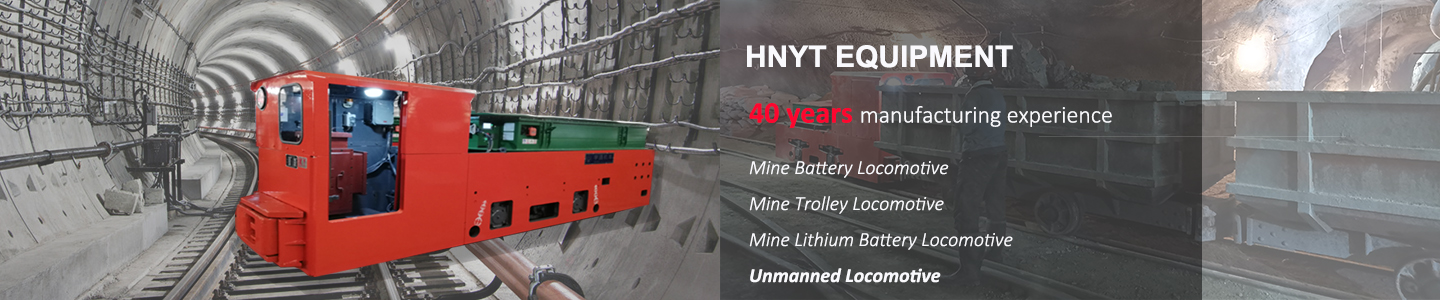
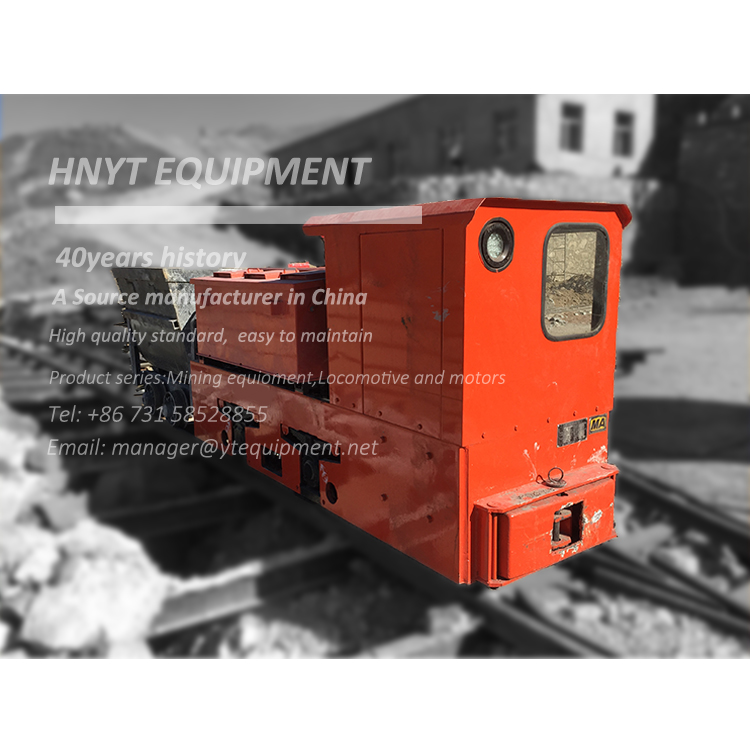
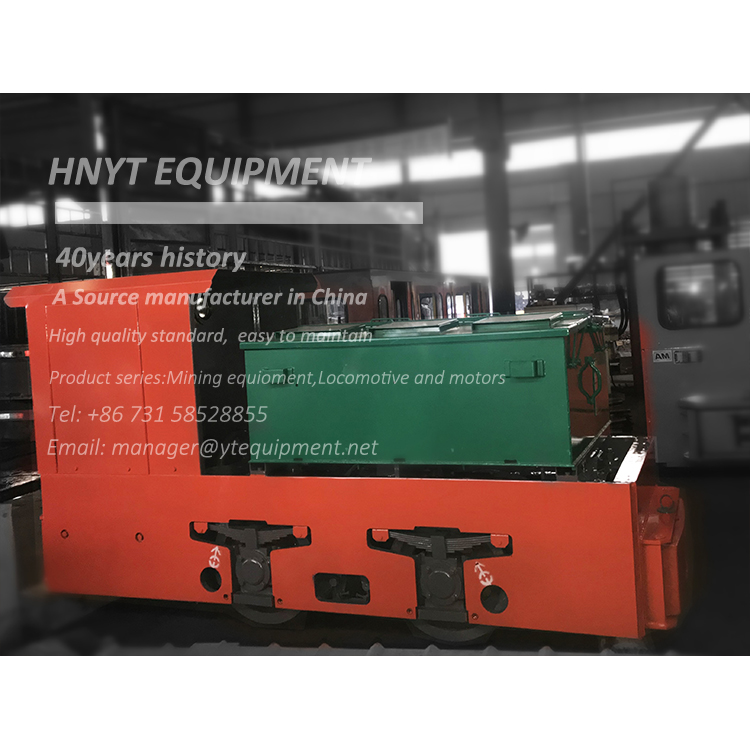
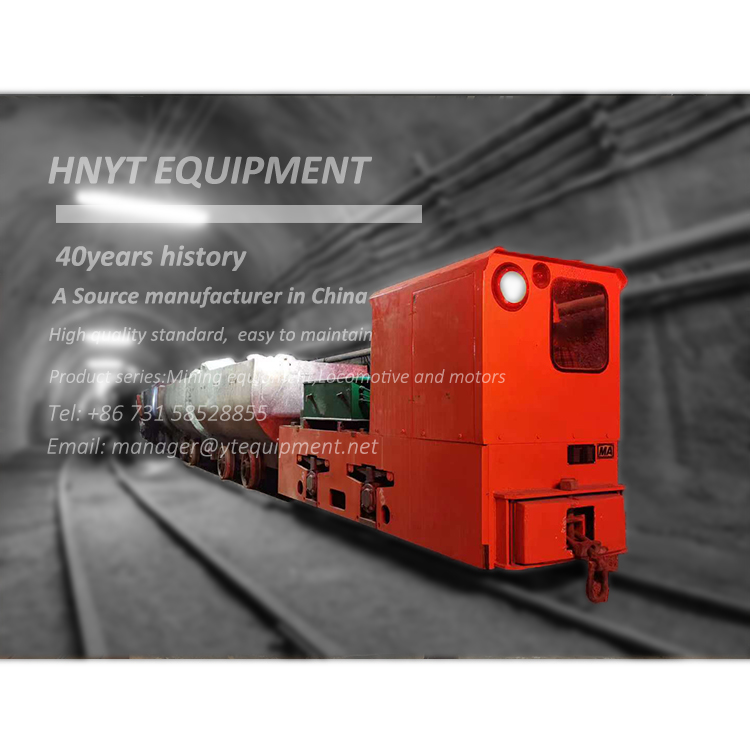
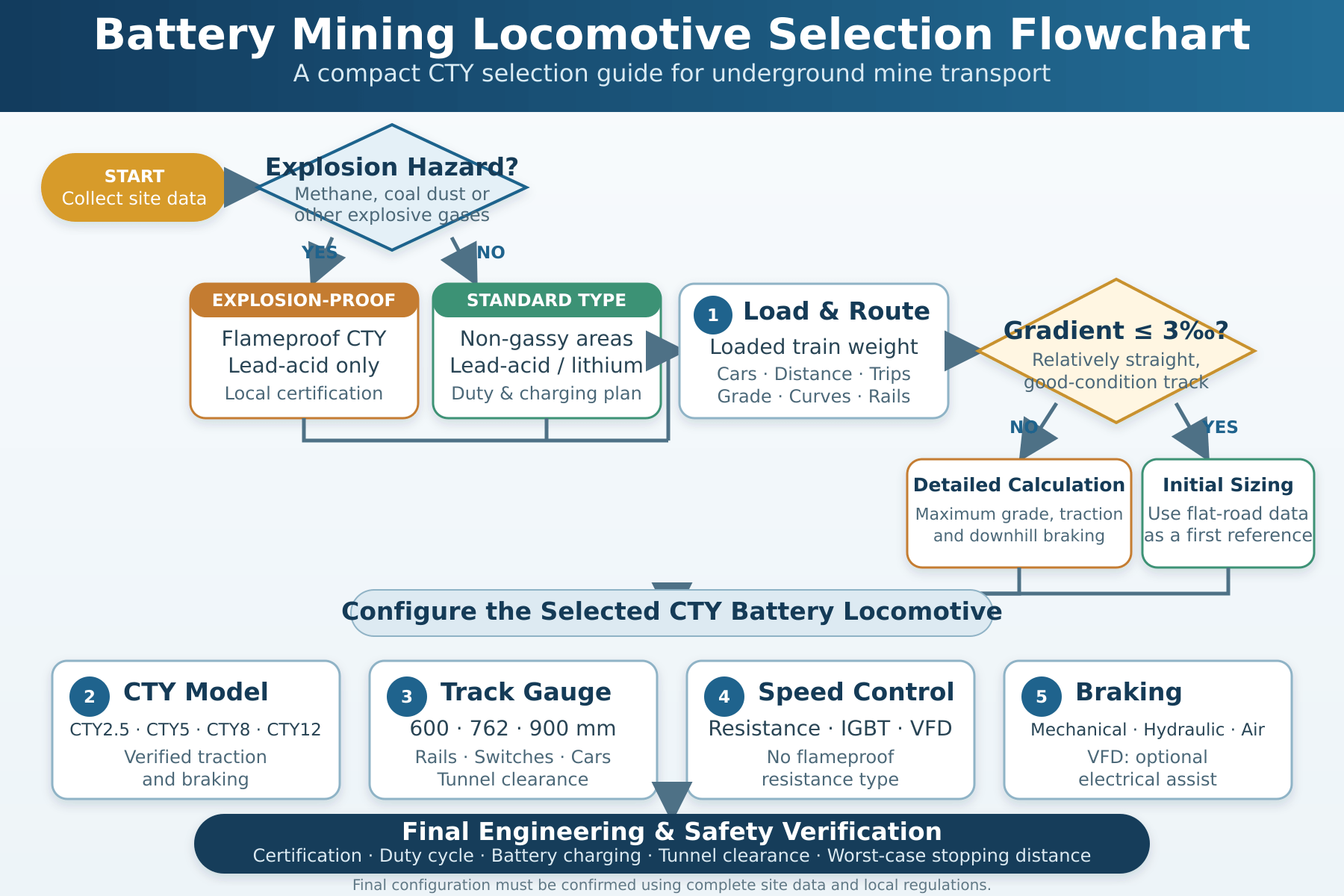
Selecting the right battery mining locomotive requires checking the mine atmosphere, train load, gradient, track gauge, speed control and braking system before choosing a CTY model.
Common models include CTY2.5, CTY5, CTY8 and CTY12. In this naming system, CTY identifies a battery mining locomotive, while the number indicates the locomotive self-weight in metric tons.
A heavier locomotive normally provides more adhesive weight and traction potential. However, capacity must also be checked against loaded train weight, gradient, curves, rail condition and stopping distance.
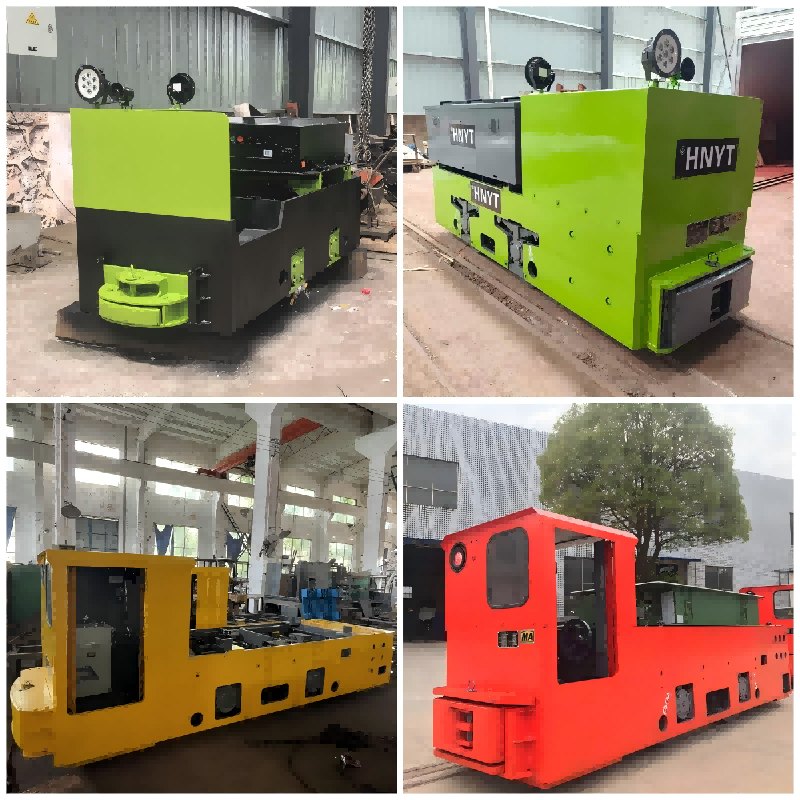
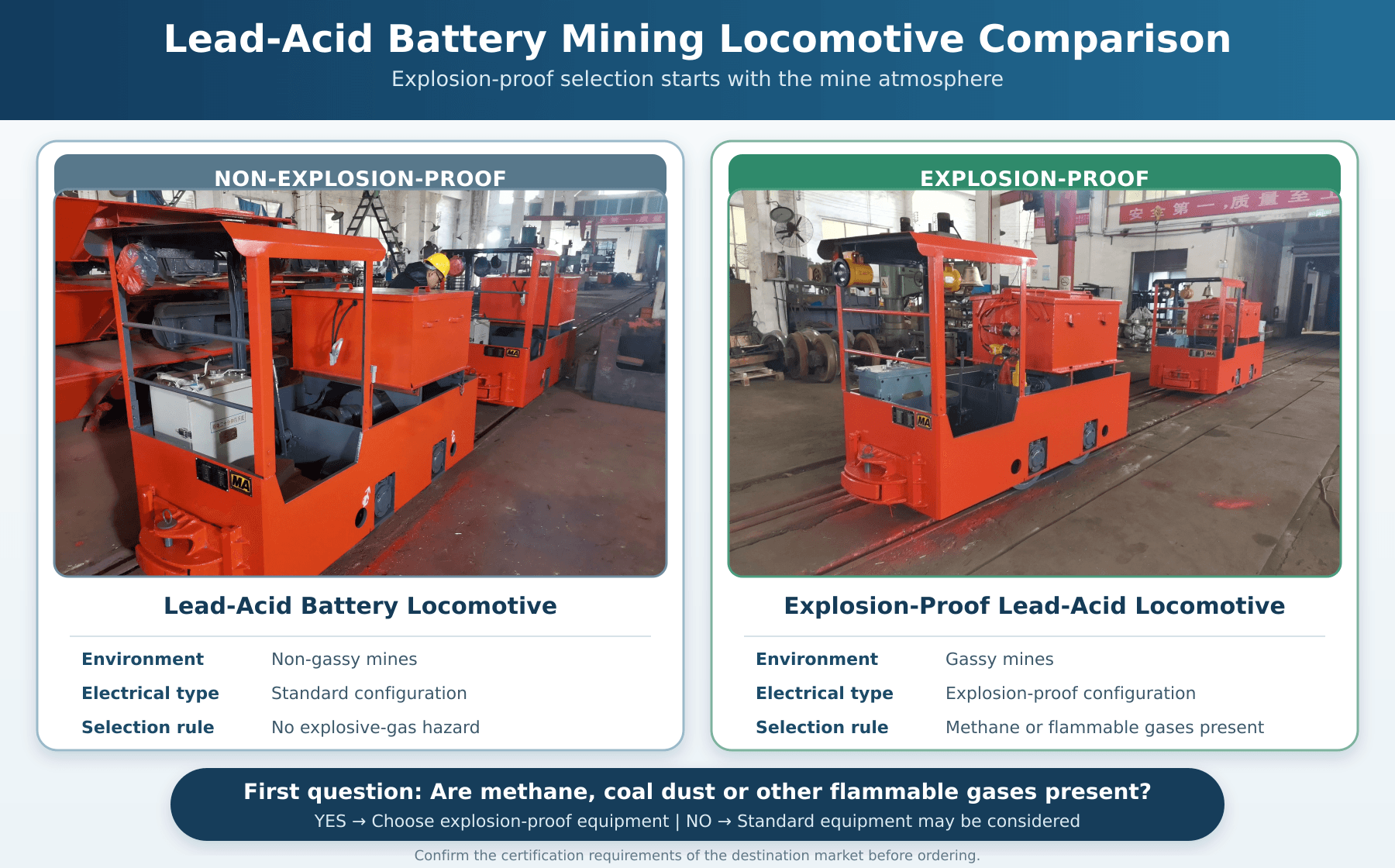
Determine whether the locomotive will work where methane, coal dust or other explosive gases may be present. If so, choose an approved explosion-proof battery locomotive that meets local regulations.
In this CTY range, explosion-proof models use lead-acid batteries. Non-explosion-proof models can use lead-acid or lithium batteries, depending on duty cycle, charging, temperature and maintenance preferences.
Confirm the gas classification, working zone and certification requirements. Underground battery charging or changing areas also need suitable ventilation and safety arrangements.
Provide the total load per trip, number and type of cars, hauling distance, trips per shift and whether the locomotive must start a full train on a gradient.
For a relatively straight roadway at 3‰ or less, normal flat-road selection can be an initial reference. For steeper routes, provide maximum and average gradient, travel direction, curve radius, rail condition and required stopping distance.
CTY2.5, CTY5, CTY8 and CTY12 progress from compact to heavier-duty designs. Verify the final model by traction and braking calculations under the worst loaded condition.
The locomotive gauge must match the track, switches and mine cars. Common gauges include 600 mm, 762 mm and 900 mm, subject to model availability.
Provide rail type, minimum curve radius, tunnel clearance and track quality. Tight curves or uneven rails may limit locomotive size, train length and speed.
Resistance control is simple and economical, but acceleration is stepped and energy is lost as heat. This CTY range has no explosion-proof resistance-control version.
IGBT control provides smoother, stepless speed adjustment with lower energy loss and reduced mechanical shock during starting. It is a practical upgrade for frequent starts and stops.
Variable-frequency control offers smooth starting, efficient AC motor control and precise low-speed operation. Electrical auxiliary braking is optional. Confirm explosion-proof availability by model and certification.
Mechanical braking is simple. Hydraulic braking provides smooth, strong control. Compressed-air braking is often preferred for heavier or longer trains, especially when coordinated train braking is required.
Variable-frequency models may use electrical braking as an auxiliary function, but it should not replace the required service and parking brakes. Brake selection must be checked against the fully loaded train on the maximum downhill gradient.
Mine environment: Coal mine or metal mine; presence of gas, dust or other explosion hazards.
Transport duty: Total loaded train weight, number and type of cars, hauling distance and trips per shift.
Roadway: Maximum and average gradient, minimum curve radius, rail condition and tunnel clearance.
Track: Gauge, rail type, switches and compatibility with existing mine cars.
Preferred configuration: Lead-acid or lithium battery, speed control method, braking method and local certification.
A reliable battery mining locomotive selection should begin with explosion safety, then verify load and gradient before finalizing gauge, control and brakes. Supplying complete site data allows the manufacturer to recommend the correct CTY battery mining locomotive with sufficient traction, safe braking and a configuration suited to long-term underground operation.