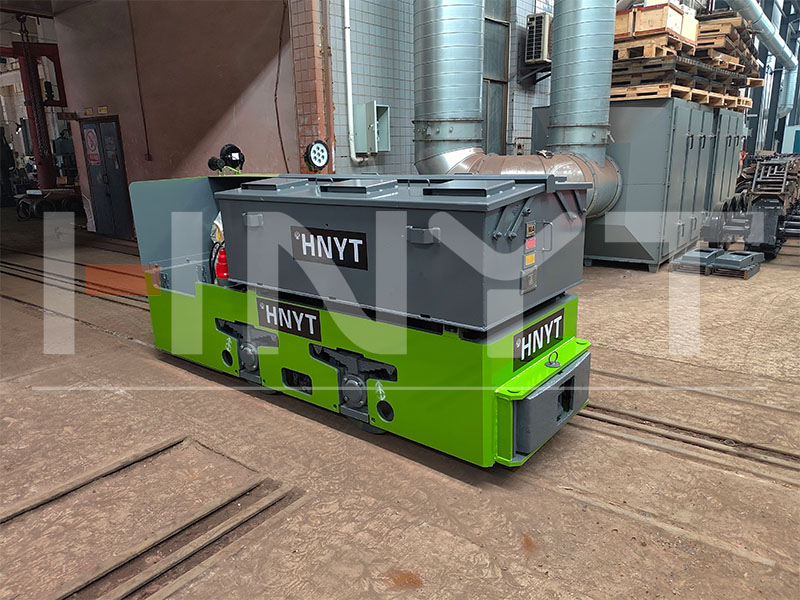
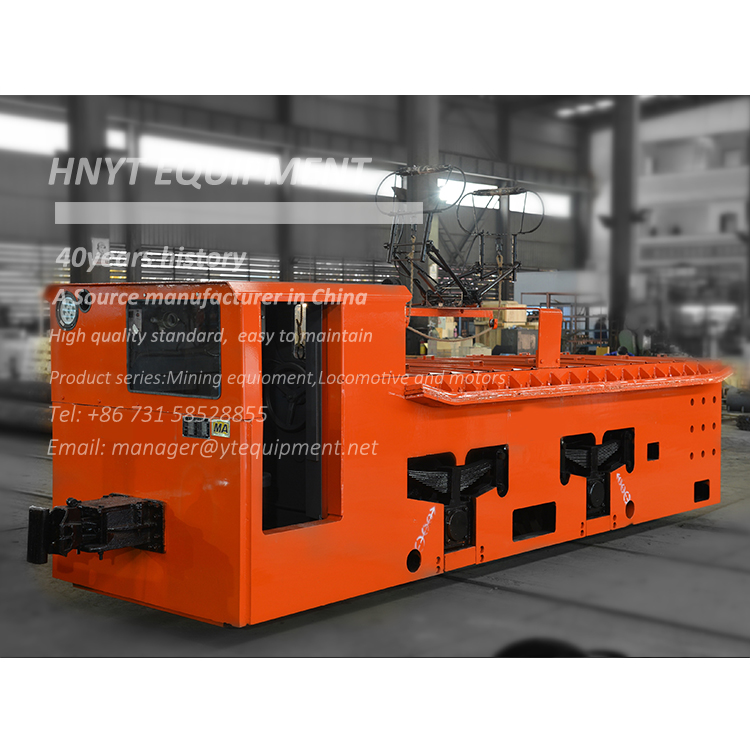
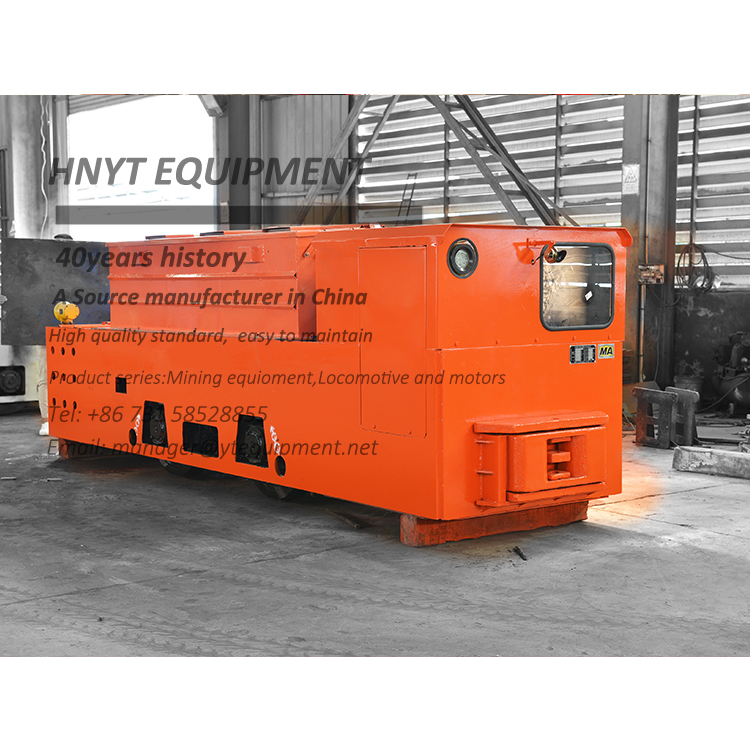
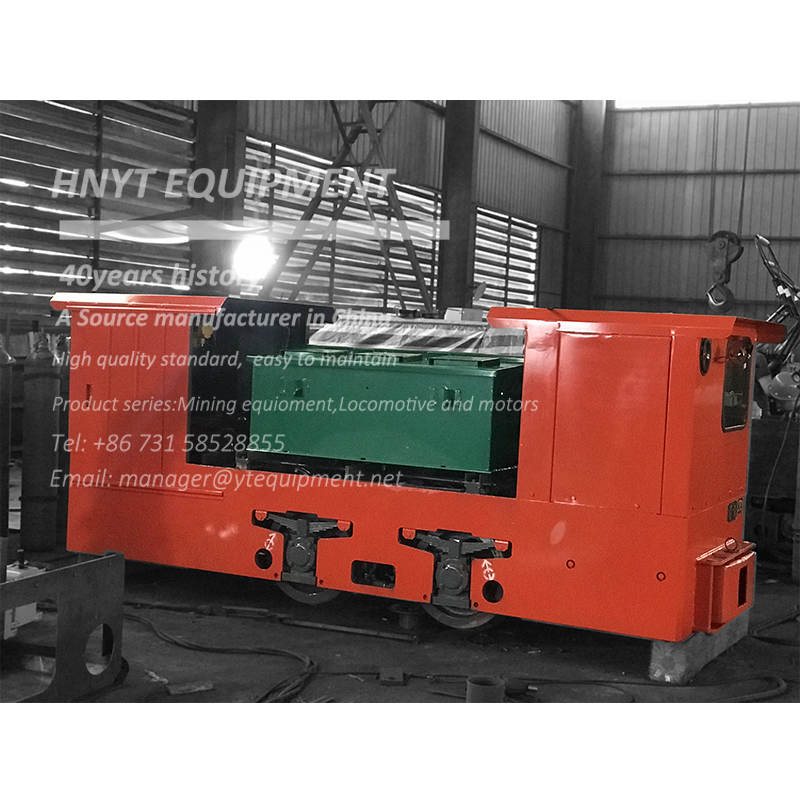
A 5 ton battery mine locomotive may feel weak when starting, hauling mine cars or climbing a slight grade. This does not always mean the traction motor is damaged. In most cases, the problem is linked to load, track condition, battery power, charging quality, transmission wear or wheel-rail adhesion.
For mine operators, quick troubleshooting can reduce downtime and protect the battery pack, controller, traction motor and reducer.
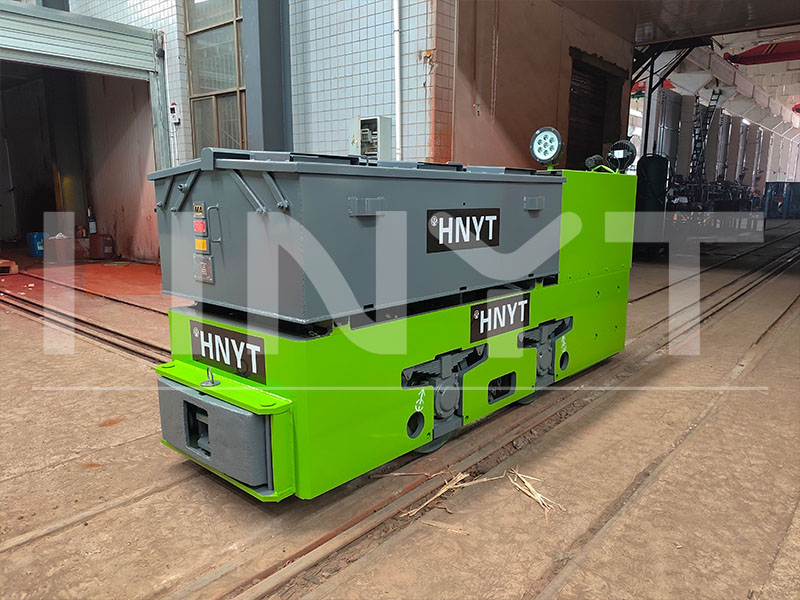
A typical 5 ton battery mine locomotive with two 7.5 kW traction motors can usually haul about 40 to 45 tonnes under suitable working conditions. If the loaded mine cars exceed the recommended range, the electric locomotive will start slowly and the motor may overheat.
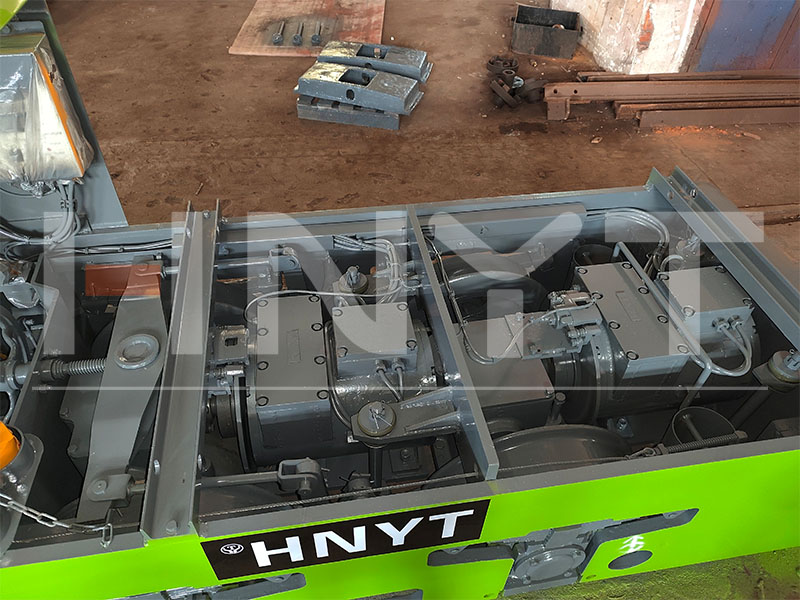
Steep grades, damaged rails, sharp curves and poor rail joints increase running resistance. If power loss appears only on one section of the route, check the gradient and track condition first.
A battery locomotive depends fully on its battery pack. Low voltage, loose battery connectors, insufficient charging time or wrong charging current can all cause weak pulling force.
After long service, battery capacity may drop because of aging, electrolyte problems, plate sulfation or active material shedding. If the battery locomotive loses power soon after a full charge, arrange a battery capacity test.
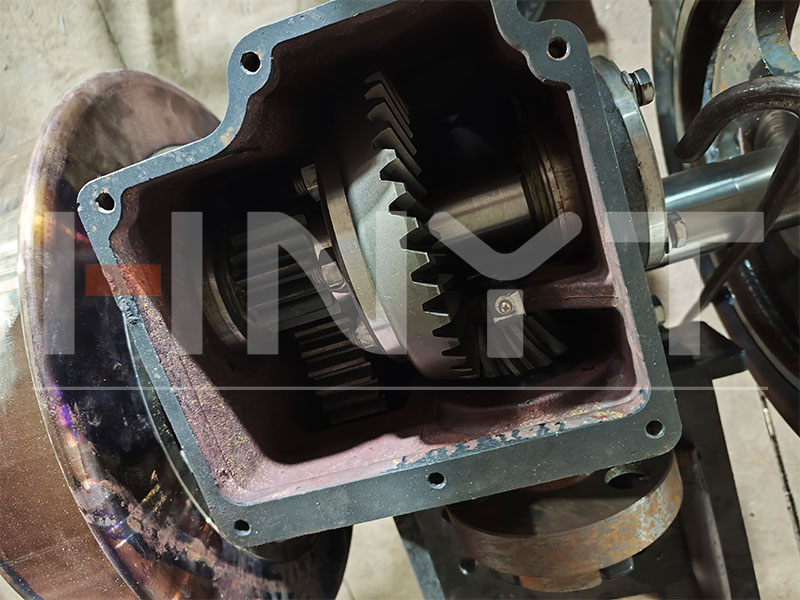
Worn gears, poor lubrication, reducer faults or damaged bearings can reduce power transfer. Wet, oily or dusty rails may also cause wheel slip. A working sanding device helps improve wheel-rail adhesion.
Step 1: Reduce the load and test the mine locomotive again.
Step 2: Check the route slope, rail joints and curve.
Step 3: Measure battery voltage and inspect all battery connectors.
Step 4: Confirm charger parameters, charging current and charging time.
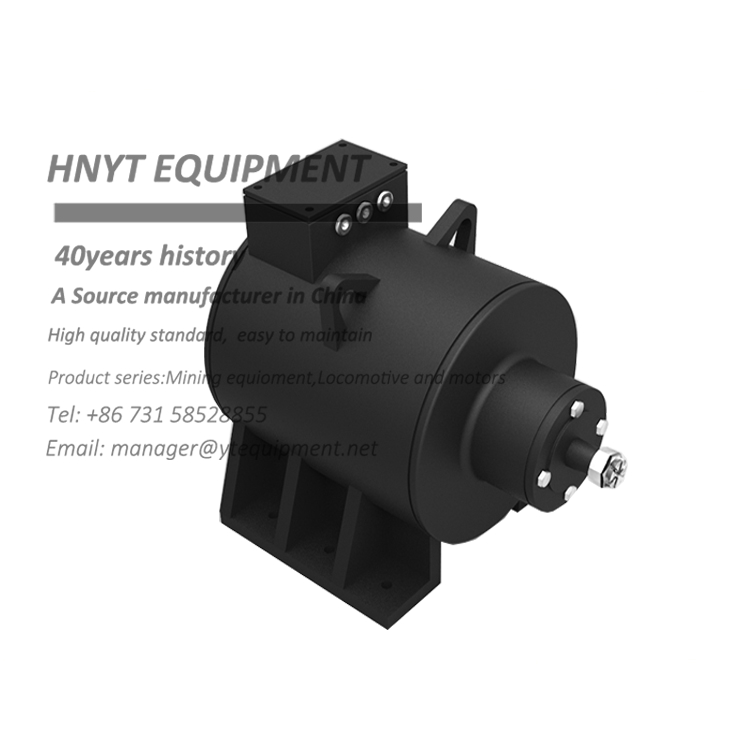
Step 5: Inspect the traction motor, controller, reducer, gears and bearings.
Step 6: Clean slippery rail sections and check the sanding device.
Power loss in a 5 ton battery mine locomotive is best solved through systematic inspection. Correct loading, proper charging, regular battery maintenance and timely mechanical checks help keep underground mine haulage stable and safe.