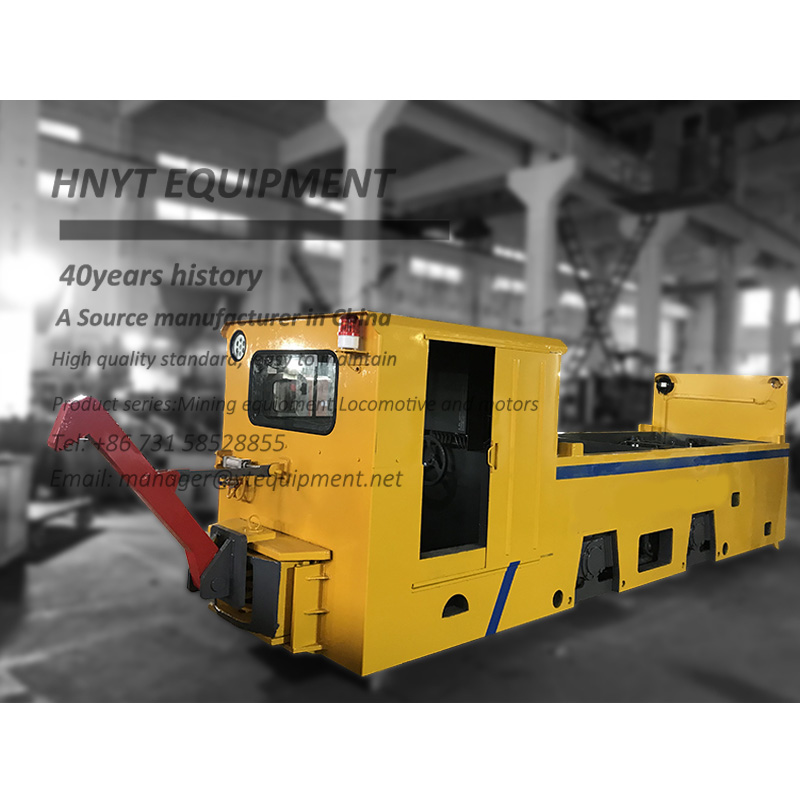
Introduction: Mining Electric Locomotive, The Backbone of Underground Haulage
When you picture a mine, you likely think of deep tunnels, hard hats, and rumbling machinery. But what actually moves the tons of rock, coal, or ore from the working face to the surface? In the vast majority of underground mining operations, the answer is the mining electric locomotive. Unlike diesel engines, which emit dangerous fumes in confined spaces, electric locomotives provide a clean, powerful, and efficient method of transport.
But not all electric locomotives are the same. If you are new to mining operations or engineering, two terms will come up frequently: Trolley (Overhead Wire) and Battery-Powered. Understanding the fundamental difference between these two types is critical for mine planning, safety, and cost management.
This article addresses two foundational questions in one place: What exactly is a mining electric locomotive, and how do the main power supply types—trolley and battery—differ?
What Is a Mining Electric Locomotive?
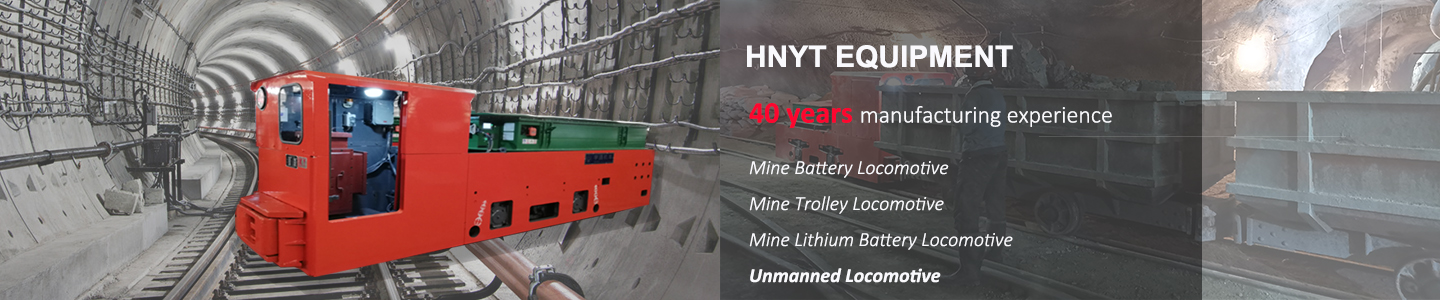
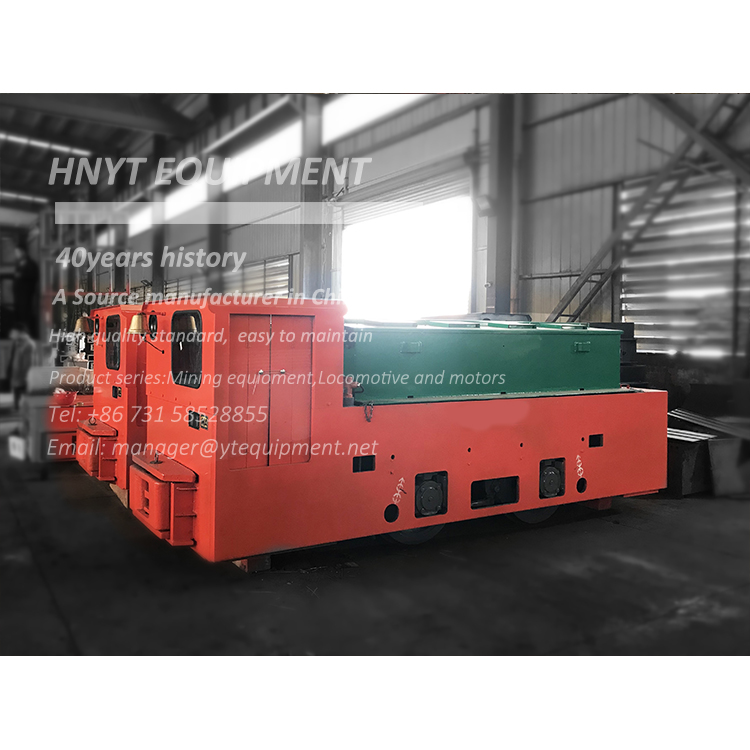
A mining electric locomotive is a heavy-duty rail vehicle used exclusively in underground or surface mining environments to haul mine cars (also known as tubs or wagons) along a fixed track. These machines are the logistical arteries of the mine.
Key Components (Basic Anatomy):
To understand how they work, it helps to know the major parts:
Chassis/Frame: The heavy steel body that withstands underground impacts.
Traction Motors: The electric motors mounted on the axles that turn the wheels.
Controller: The "throttle" that manages the flow of electricity to the motors.
Braking System: A combination of mechanical brakes and, on modern units, regenerative or dynamic electric braking.
Current Collector: Either a Pantograph (for overhead wires) or a Battery Plug/Connector.
The primary advantage of electric traction over diesel in underground mining is zero emissions. Diesel particulate matter (DPM) is a major health hazard requiring massive ventilation systems. Electric locomotives reduce the need for that ventilation, saving energy and protecting miners' lungs.
Trolley vs. Battery Locomotives: Which One Suits Your Mine?
This is the most common point of confusion for newcomers. The mechanical structure is largely similar, but the power source dictates where and how the locomotive can be used. Let's break down the comparison.
1. Trolley (Overhead Wire) Locomotives
Also known as: Overhead Line or Pantograph Locomotives.
How It Works: These locomotives draw power from a bare copper wire suspended above the track. A spring-loaded arm (pantograph) on top of the locomotive slides along the wire, completing the electrical circuit through the steel rails.
Advantages:
Unlimited Range: As long as the wire is strung up, the locomotive can run 24/7 without stopping to recharge.
High Power: Suitable for heavy mainline haulage where steep gradients or long trains of 20+ cars are common.
Lower Long-Term Cost: No expensive battery packs to replace every few years.
Disadvantages:
Infrastructure Cost: Installing and maintaining the overhead wire system is expensive.
Safety Clearance: The live overhead wire presents an obvious electrical shock hazard in low tunnels.
2. Battery-Powered Locomotives
Also known as: Battery Haulers or Battery Trams.
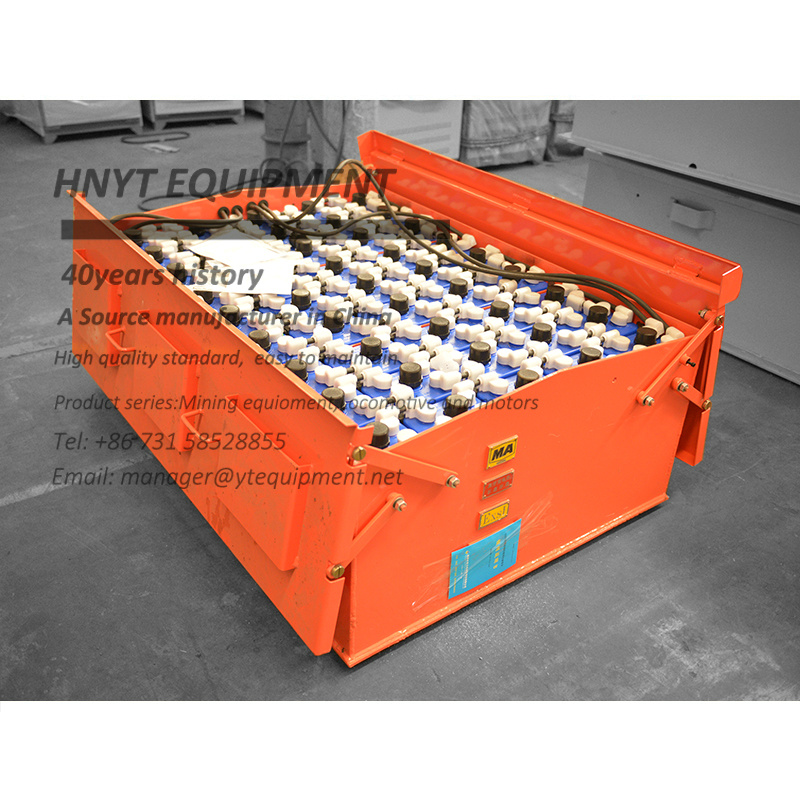
How It Works: These locomotives carry their power source on their back—literally. A massive, heavy-duty lead-acid or lithium-ion battery is housed in a compartment on the locomotive frame.
Advantages:
Flexibility: They can operate on temporary track or in areas where installing overhead wire is impossible (e.g., fresh development headings, loading loops).
Safety in Gassy Mines: In coal mines with high methane gas levels, battery locomotives are preferred because there is no risk of a spark from a bouncing pantograph arc.
Simpler Infrastructure: No need to hang and maintain miles of tensioned copper wire.
Disadvantages:
Downtime: Batteries must be removed and swapped with a fresh one at a charging station, or the locomotive sits idle while charging.
Weight and Maintenance: Batteries are extremely heavy and require careful watering and equalizing charges (especially lead-acid types).
Conclusion and Maintenance Note
Understanding the basics of the mining electric locomotive is the first step toward safe and efficient underground transport. Whether you choose a trolley system for non-stop power or a battery unit for flexibility and gassy mine safety, both rely on the same principle: clean electric traction.