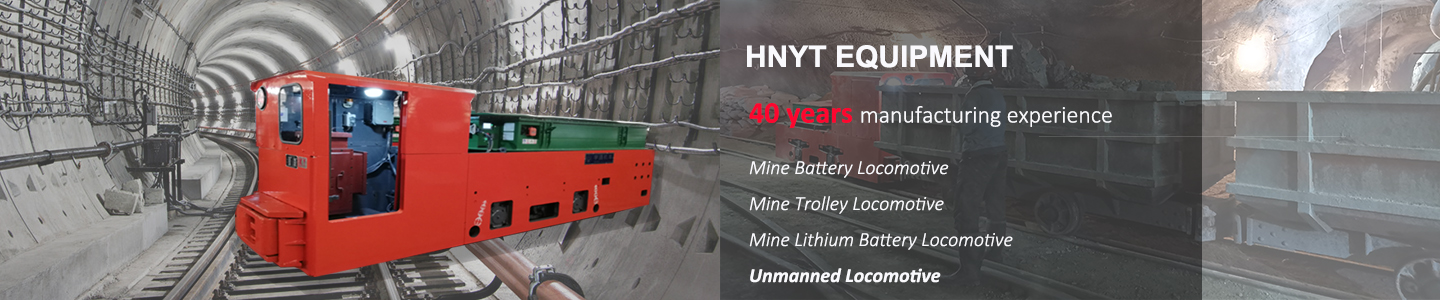
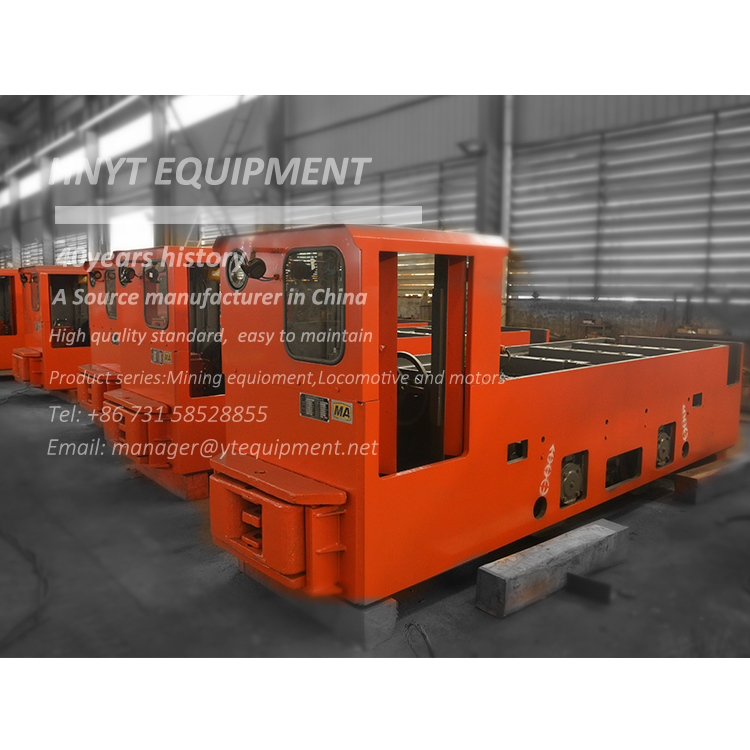
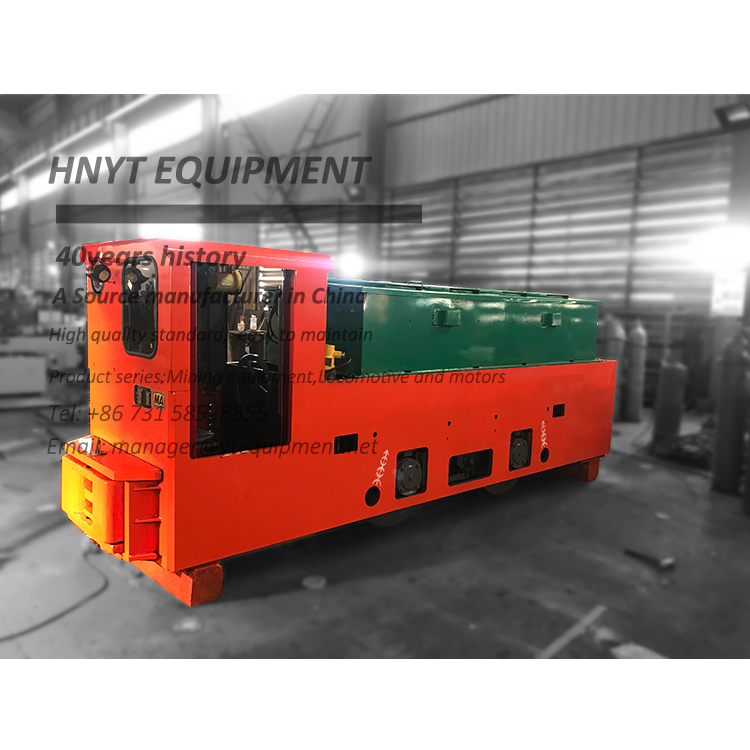
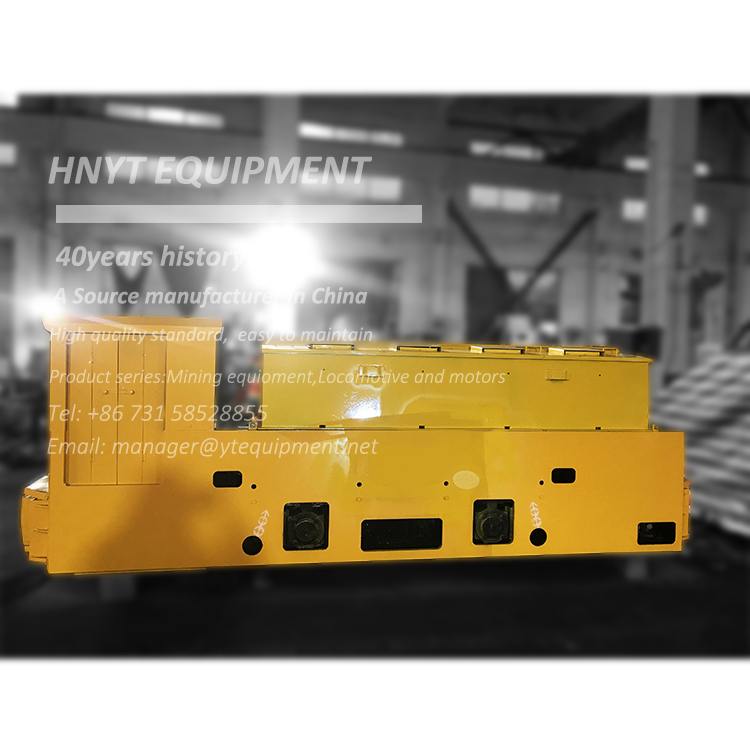
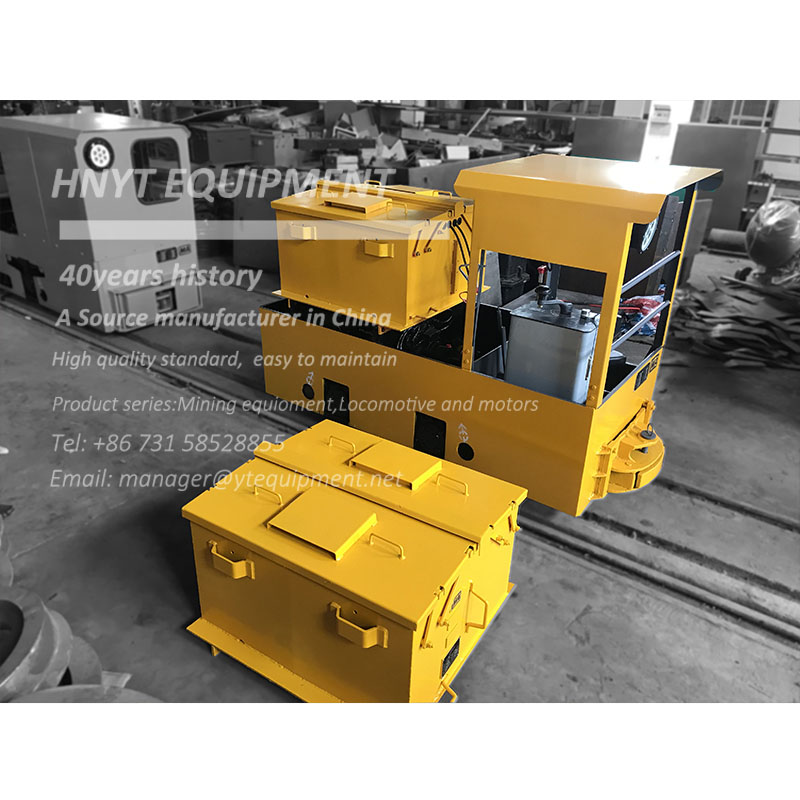
The mining battery electric locomotive is a critical tool for underground material transport, and its performance heavily depends on the chosen speed control system. There are three common speed regulation methods for these locomotives: resistive control, chopper control, and variable frequency control. Each method has distinct operational characteristics, advantages, and limitations.
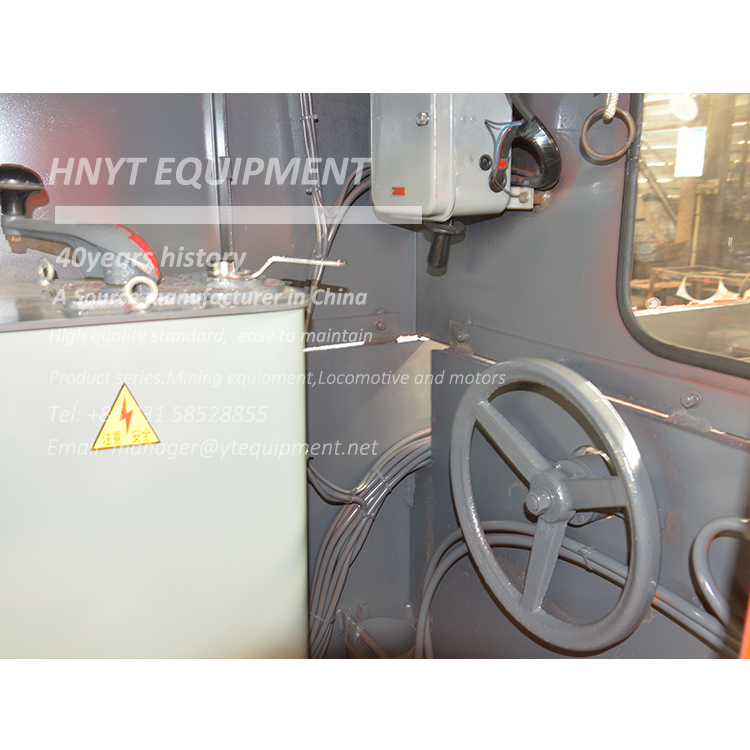
Resistive control, as the name suggests, adjusts the locomotive’s speed by varying the resistance in the circuit. This system operates similarly to a sliding resistor, using copper contacts for switching and adjustment. However, continuous operation can overheat the resistors and contacts, leading to frequent maintenance issues. Drivers must also manually change gear levels to regulate speed, which can be cumbersome. The large gaps between steps often result in high starting currents and mechanical stress, making resistive control less suitable for high-tonnage battery-powered mining locomotives.
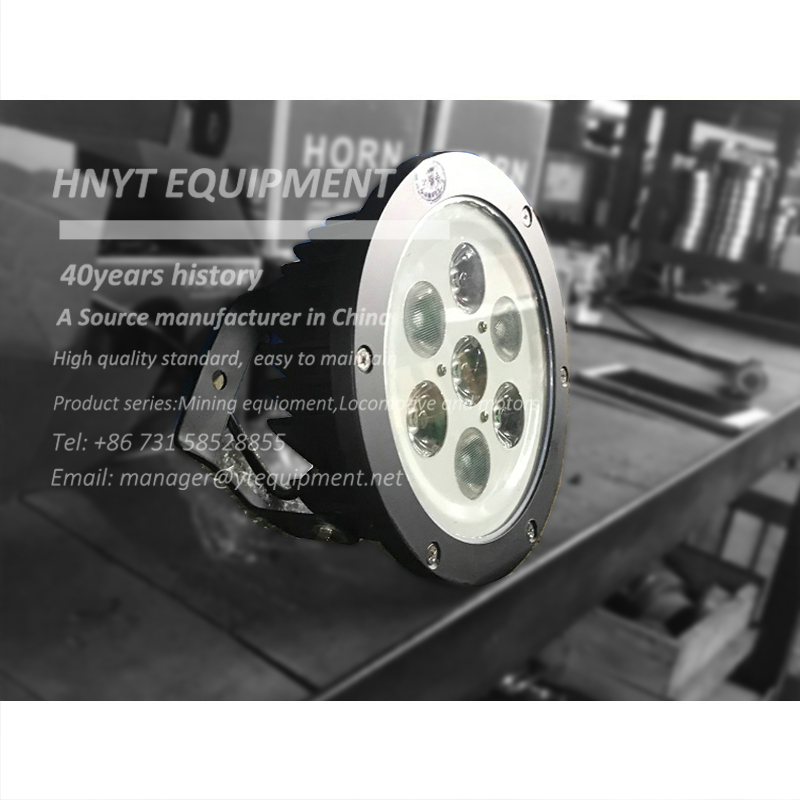
Chopper control, on the other hand, regulates speed by rapidly switching the circuit on and off, controlling the duty cycle or frequency. Compared to resistive control, underground battery locomotives with chopper systems benefit from smoother starts and operation, lower failure rates, and easier handling. Modern chopper controllers often integrate digital voltage displays, lighting modules, and electronic horn controls, streamlining operations for the driver. This method reduces energy loss and improves efficiency, particularly in medium-duty underground transport tasks.
Variable frequency control takes the concept further by converting DC power from the battery into AC power and adjusting the output frequency to regulate motor speed. Electric mine locomotives with variable frequency drives combine the smooth operation of chopper control with high precision and adaptability to heavy loads. This method allows for greater traction and higher tonnage capacity, making it ideal for demanding mining environments. However, variable frequency systems are more expensive and require specialized operator training for optimal use.
Selecting the appropriate speed control system for a mining battery electric locomotive depends on factors such as load requirements, tunnel conditions, and operational efficiency priorities. While resistive control may suit smaller locomotives with simpler tasks, chopper and variable frequency controls provide enhanced performance, longevity, and energy savings for modern mining operations. Understanding these differences ensures safe, reliable, and efficient underground transport in 2026 and beyond.