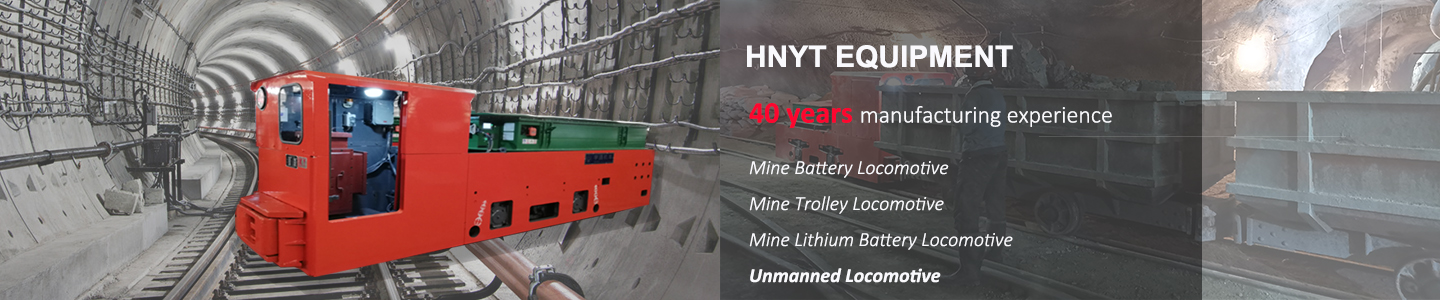
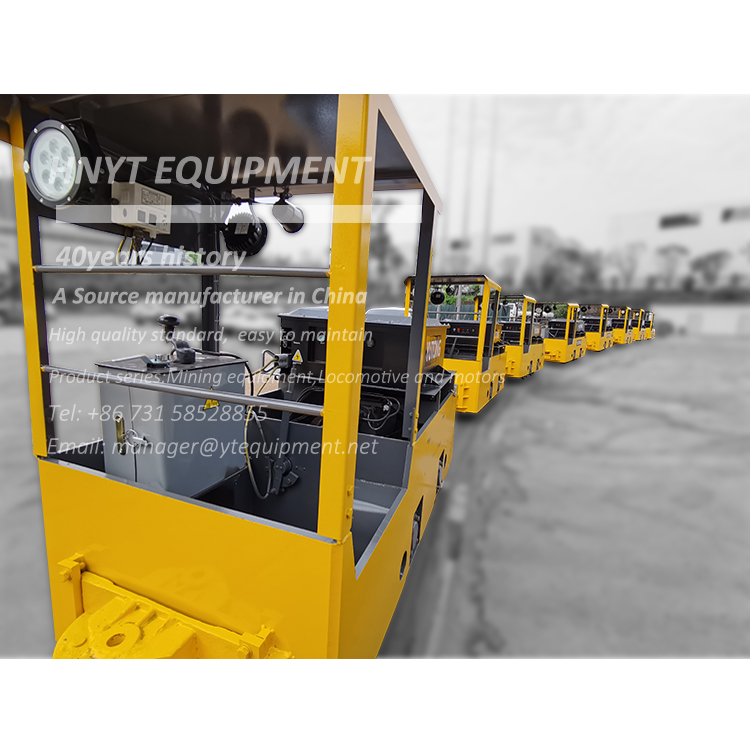
Xiangtan mine locomotives are essential for safe and efficient mining transport. To ensure their proper operation and longevity, strict guidelines govern the deceleration and braking methods. Among the prohibited actions, reverse reversal and pantograph lowering are especially dangerous and must be avoided during operation.
1. Reverse Reversal
Reverse reversal refers to the process of shifting the main command reversing handle of the Xiangtan mine locomotive to the opposite direction of travel. The aim is to slow down or brake the locomotive by running the motor in reverse. This method is highly dangerous for several reasons:
Excessive Current: When running in reverse, the motor generates large amounts of current, which can damage the motor and lead to potential failures.
Ineffective Braking: The braking system is not designed to handle reverse operation, meaning it cannot provide adequate braking force, creating a serious safety risk during operation.
2. Pantograph Lowering for Braking
For trolley-type Xiangtan mine locomotives, it is strictly prohibited to use pantograph lowering as a method for deceleration. The pantograph is used to collect power from the overhead line, and pulling it down:
Power Loss: Once the pantograph is lowered, the locomotive loses its power source, causing the motor to stop, and the electric braking system becomes inoperative.
Loss of Control: This loss of power and braking ability leaves the electric locomotive uncontrolled, increasing the risk of accidents and damage.
Correct Braking and Deceleration Methods
To ensure the safe operation of the Xiangtan mine locomotive, it is critical to adhere to proper deceleration and braking procedures. The correct method involves adjusting the control handle parameters to slow the locomotive down using its inertia or activating the braking system for safe and effective deceleration. During this process, operators should carefully monitor the control handle to avoid exceeding the designated speed limits, ensuring operational safety.
Conclusion
The safety of Xiangtan mine locomotives depends on adhering to proper deceleration and braking procedures. Reverse reversal and pantograph lowering are strictly prohibited, as they can cause power loss, ineffective braking, and significant safety risks. By following correct deceleration and braking methods, operators can ensure the locomotive’s safe and stable operation, ultimately supporting smooth production and transportation processes.