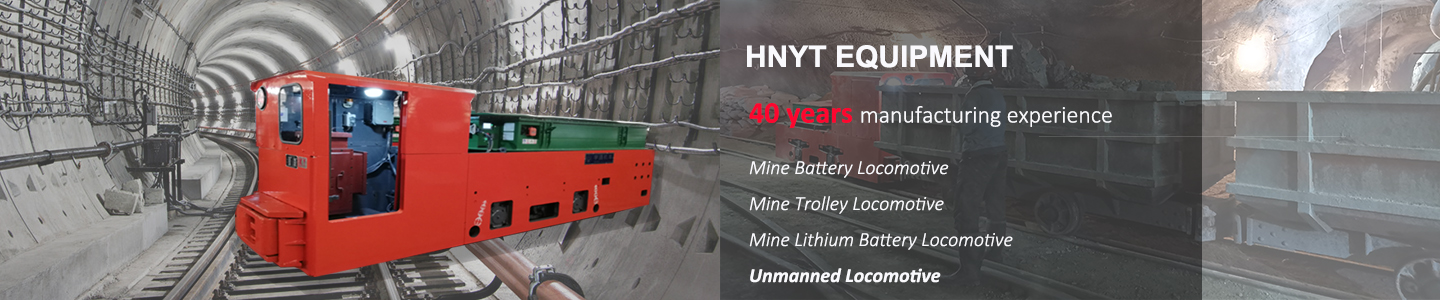
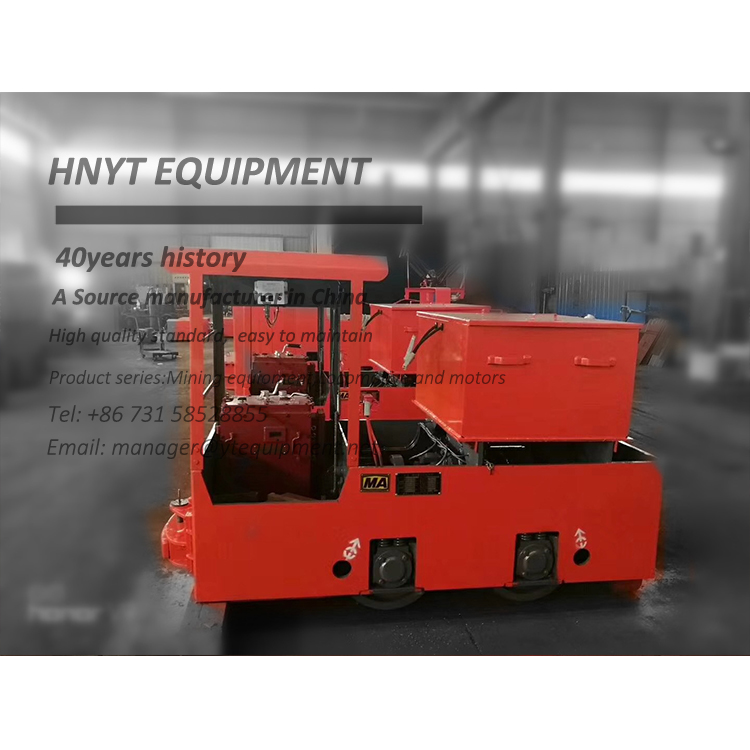
Battery electric locomotives are increasingly recommended for small African mines. Their safety, cost-efficiency, and flexibility make them ideal for underground and tunnel transport operations.
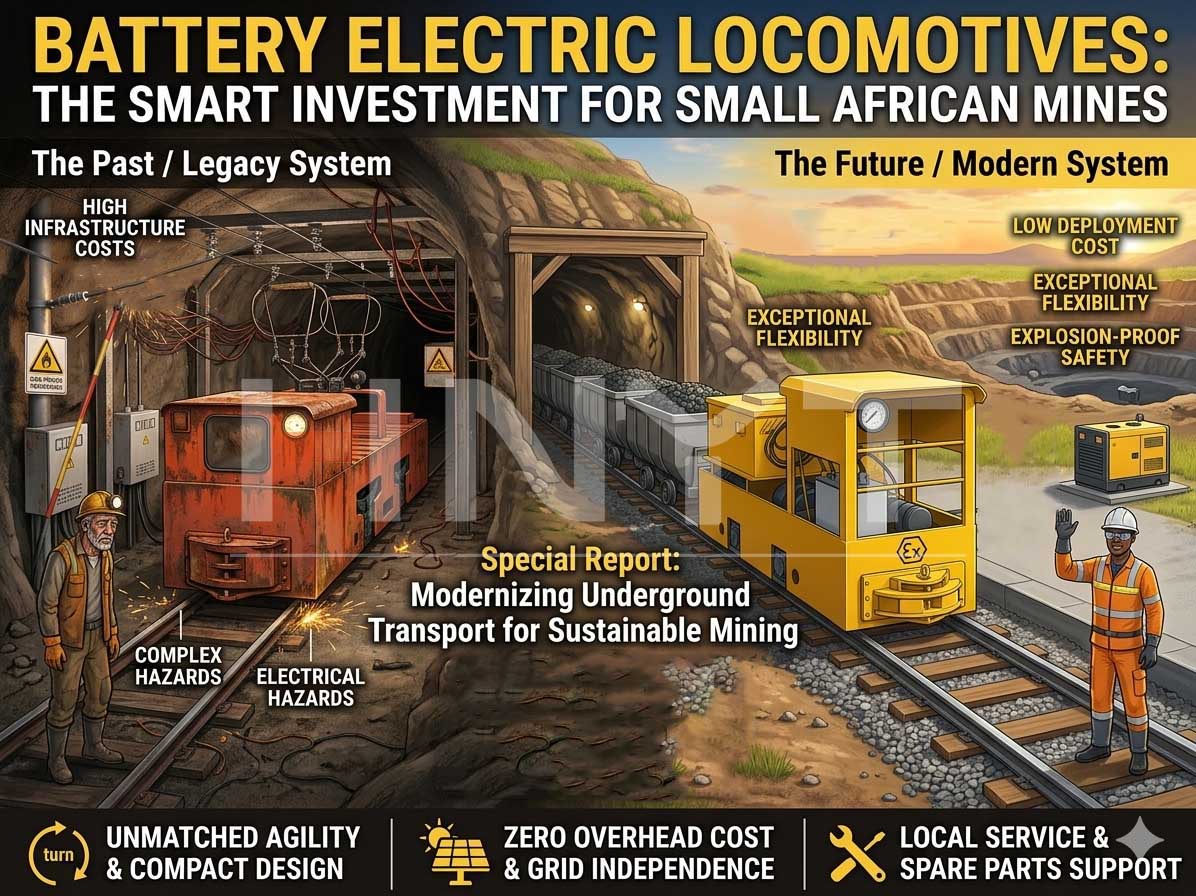
Many small mines in Africa operate in remote locations with limited funding and weak infrastructure.
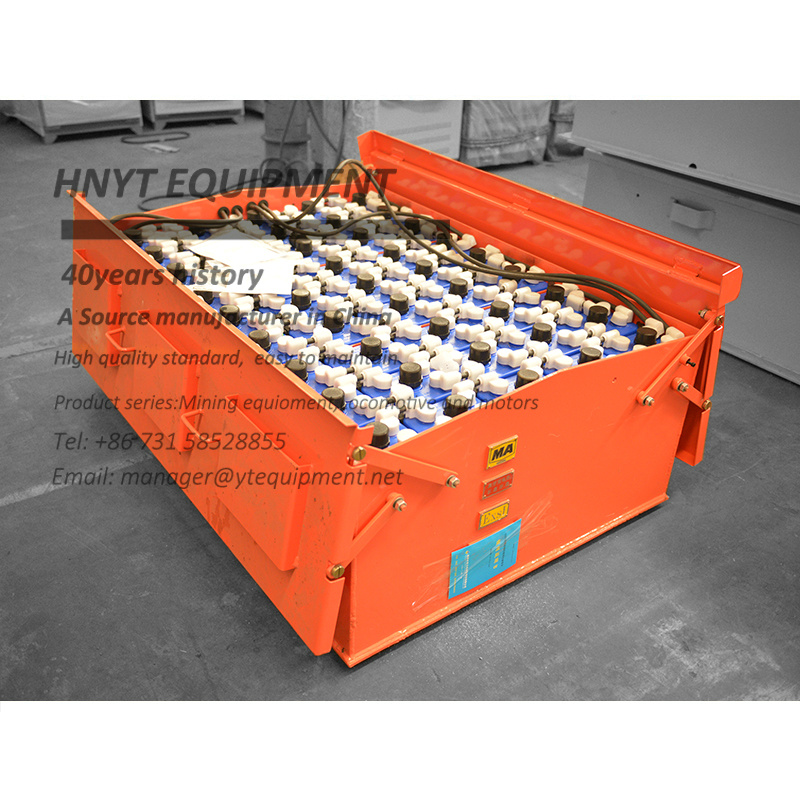
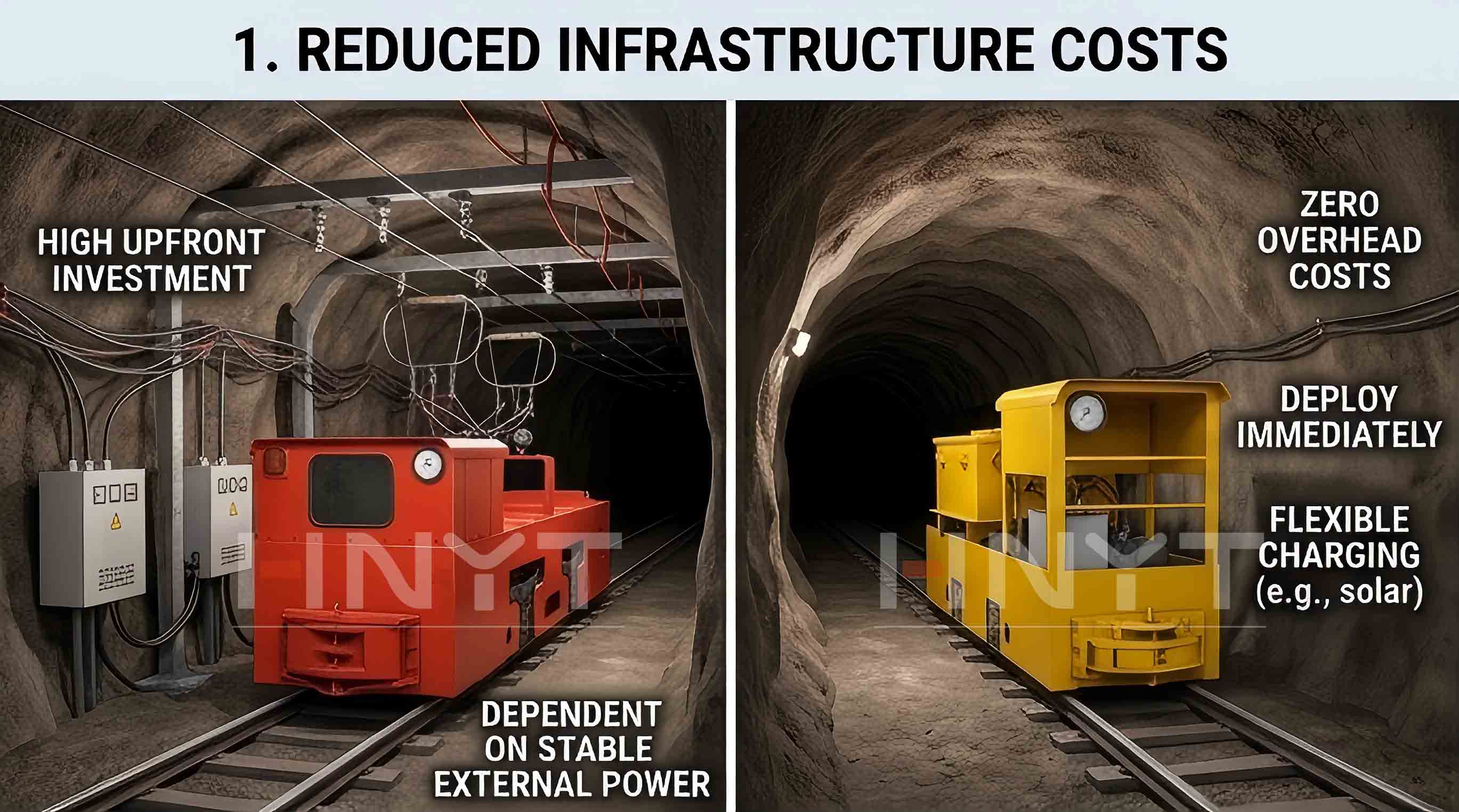
Battery electric locomotives are self-contained and do not require overhead wiring, rectifiers, or stable external power supply. This eliminates major upfront investments associated with trolley electric locomotives.
By simply laying basic tracks, mines can deploy battery electric locomotives immediately. Flexible charging schedules—using generators or solar systems during off-peak electricity hours—further reduce operating costs.
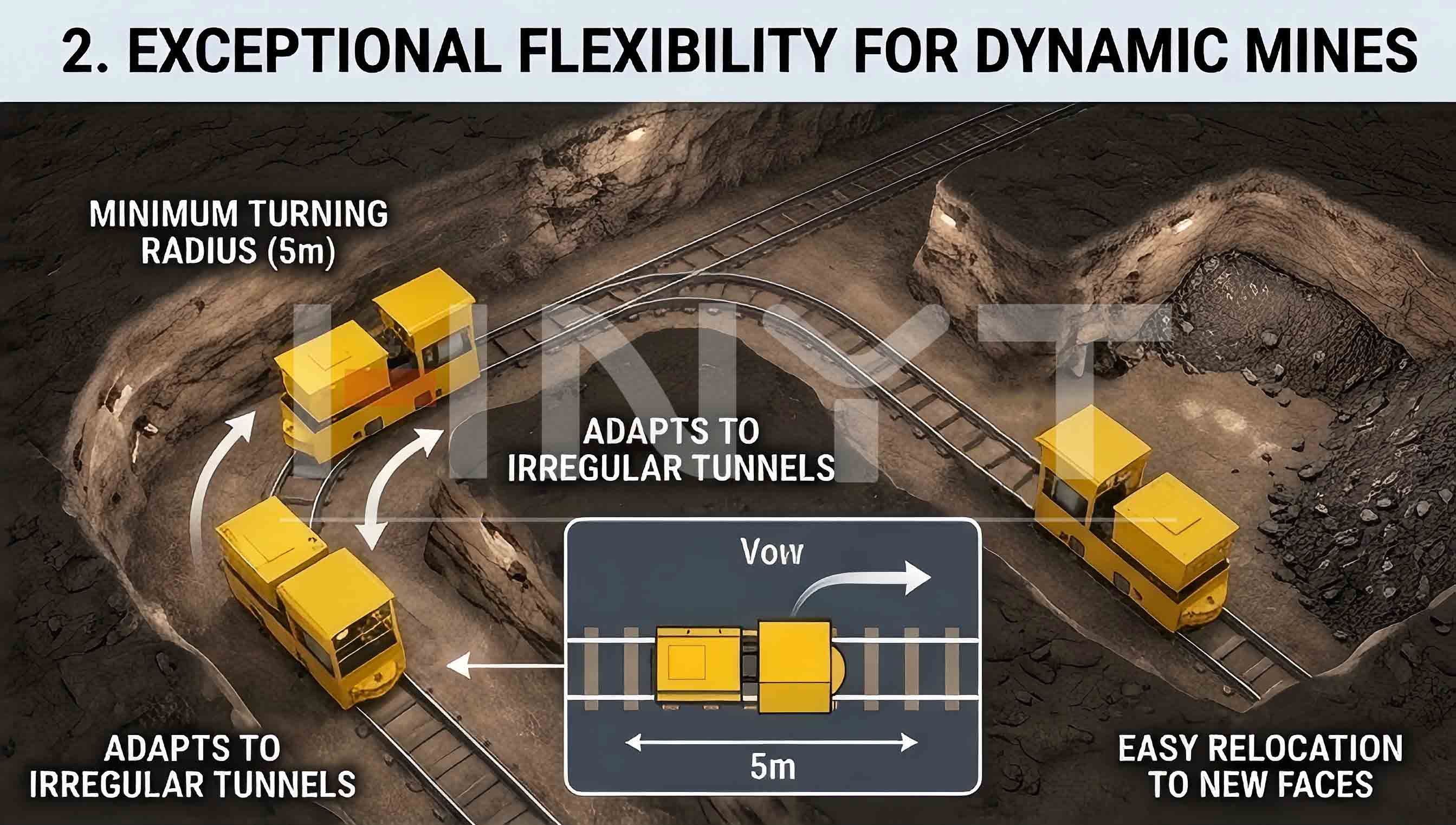
Small African mines often have irregular tunnels and frequently shifting workfaces.
Battery electric locomotives run wherever tracks exist, without reliance on overhead wires. Relocating a battery electric locomotive to a new mining face requires no dismantling or reconstruction of power lines, saving time and money.
In contrast, trolley wire locomotives demand costly overhead modifications when routes change, slowing production. Battery electric locomotives are perfect for low-volume, irregular tunnel networks and advancing faces.
Safety is critical in all mines, especially where professional management may be limited.
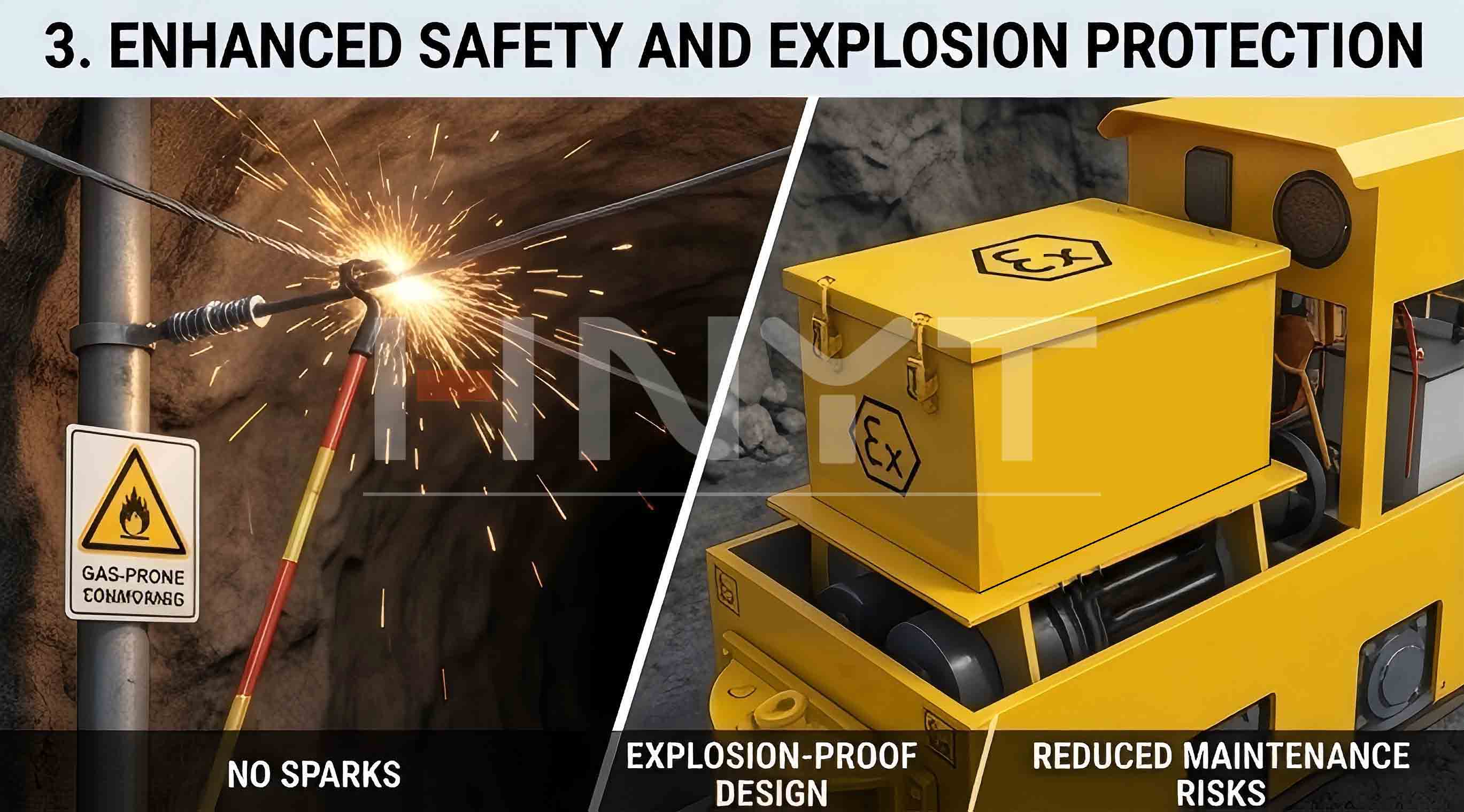
Battery electric locomotives produce no sparks and carry no exposed high-voltage cables, eliminating common electrical hazards.
Explosion-proof versions, with flameproof equipment, allow safe operation even in gas- or dust-prone tunnels.
Many African mines are replacing traditional overhead lines with explosion-proof battery electric locomotives. This improves safety while reducing staff needed for line maintenance.
Models such as 2.5-ton battery electric locomotives are small (length 2500 mm, width ~457–900 mm) with a minimum turning radius of 5 meters.
They can navigate narrow tunnels and non-standard track widths typical of small African mines.
Despite their size, these locomotives provide strong traction—up to 20 tons of transport capacity per run. This is adequate for daily output in small-scale operations.
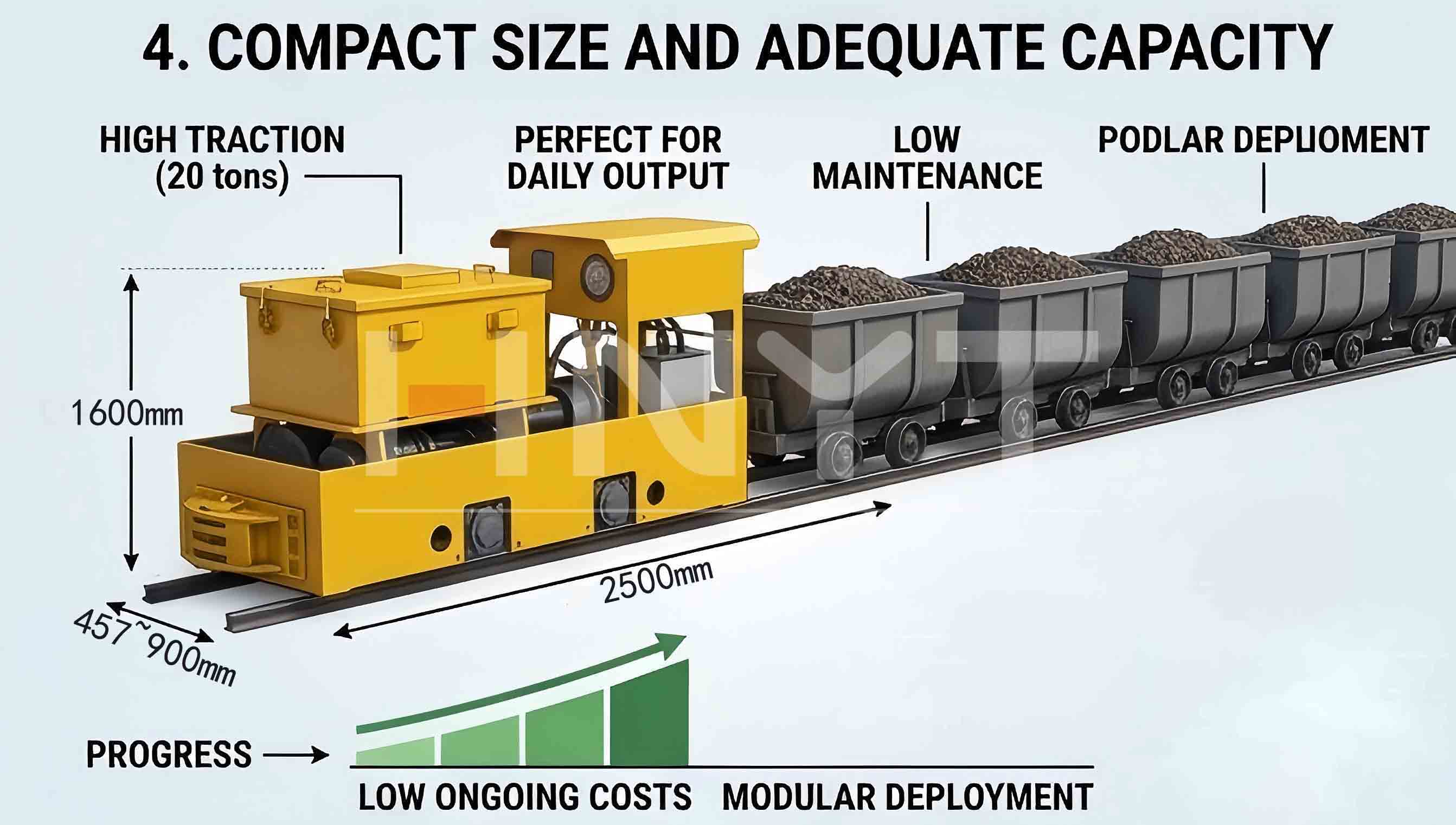
Battery electric locomotives reduce ongoing costs through low infrastructure needs, minimal maintenance, and flexible energy sourcing.
They operate efficiently in short-distance haulage, and modular designs allow quick deployment to new mining sites without heavy capital investment.
These advantages align with African mining trends toward lightweight, portable, and modular equipment. This enables rapid start-up and operational agility.
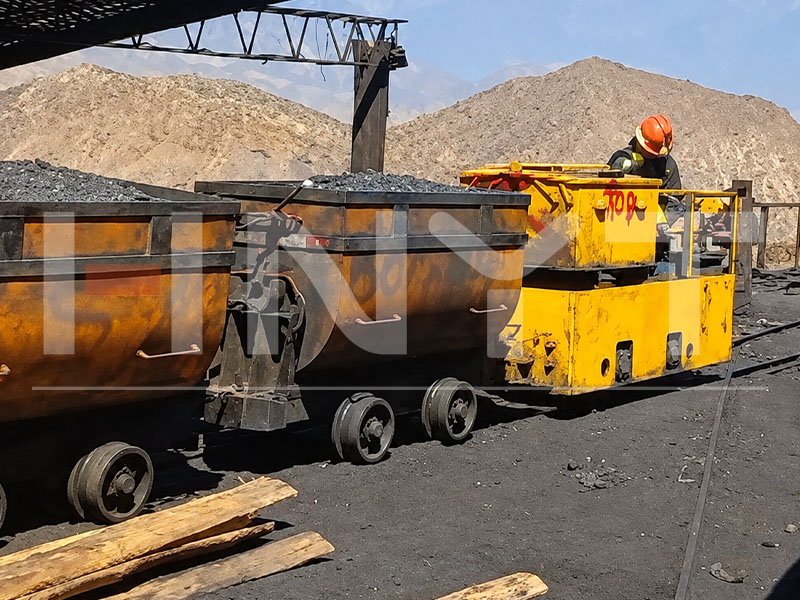
Several African small mines have successfully adopted HNYT battery locomotives.
Mines in Zambia and South Africa report smooth integration into narrow tunnel networks and improved productivity with lower safety incidents.
Suppliers provide local after-sales support, training, and spare parts, ensuring continuous operation even in remote areas.
Battery electric locomotives require regular charging and careful battery management.
Mines should plan charging stations and check battery health regularly.
Choosing certified, explosion-proof models ensures safety compliance, particularly in multi-mineral or gas-prone sites.
Partnering with experienced suppliers guarantees maintenance support and reliable spare parts.
Battery electric locomotives offer small African mines a safe, flexible, and cost-effective transport solution.
With minimal infrastructure needs, explosion-proof options, and modular deployment, they match the operational realities and growth trends of African mining.
For underground or tunnel transport, investing in batteryelectric locomotives enhances safety, lowers costs, and improves productivity—making them the smart choice for small-scale African mining operations.