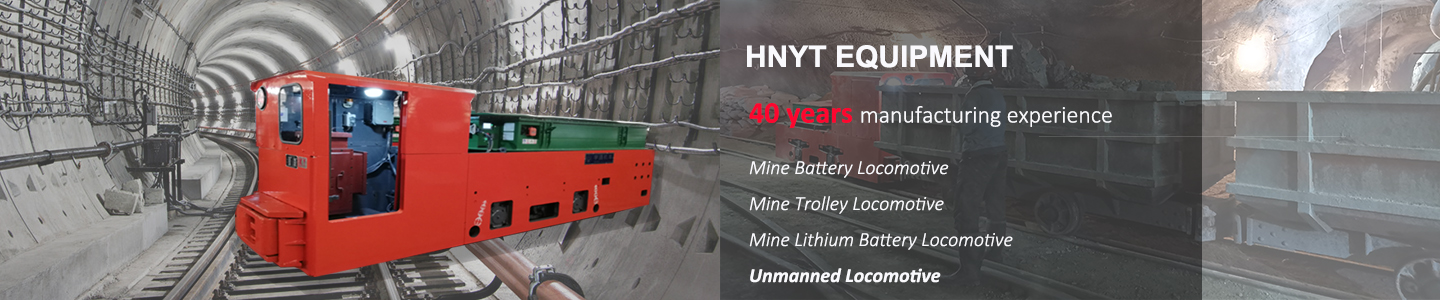
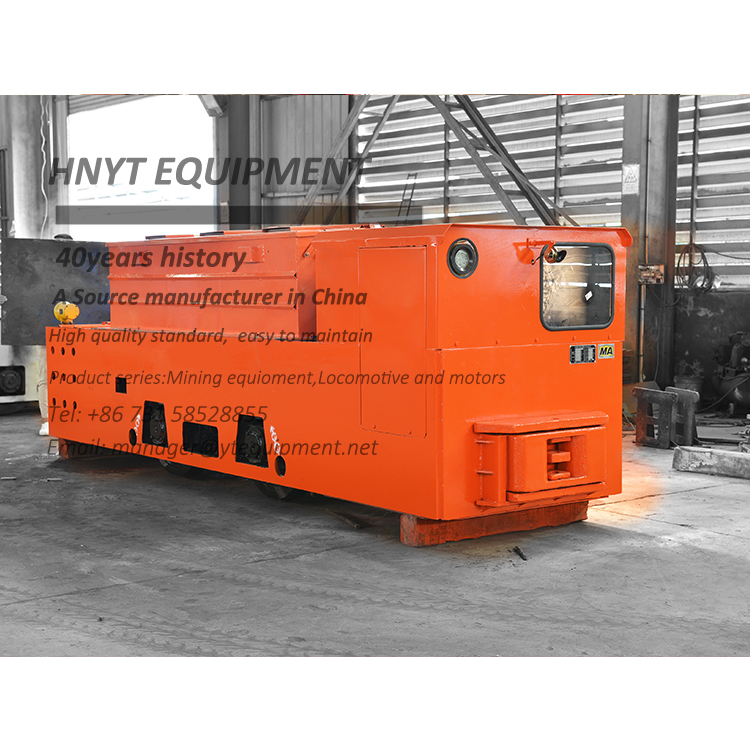
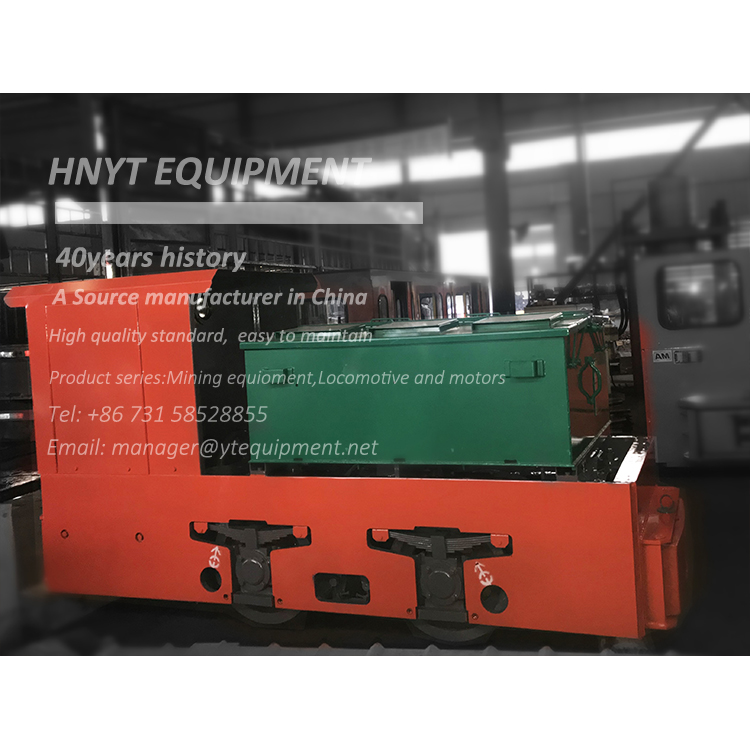
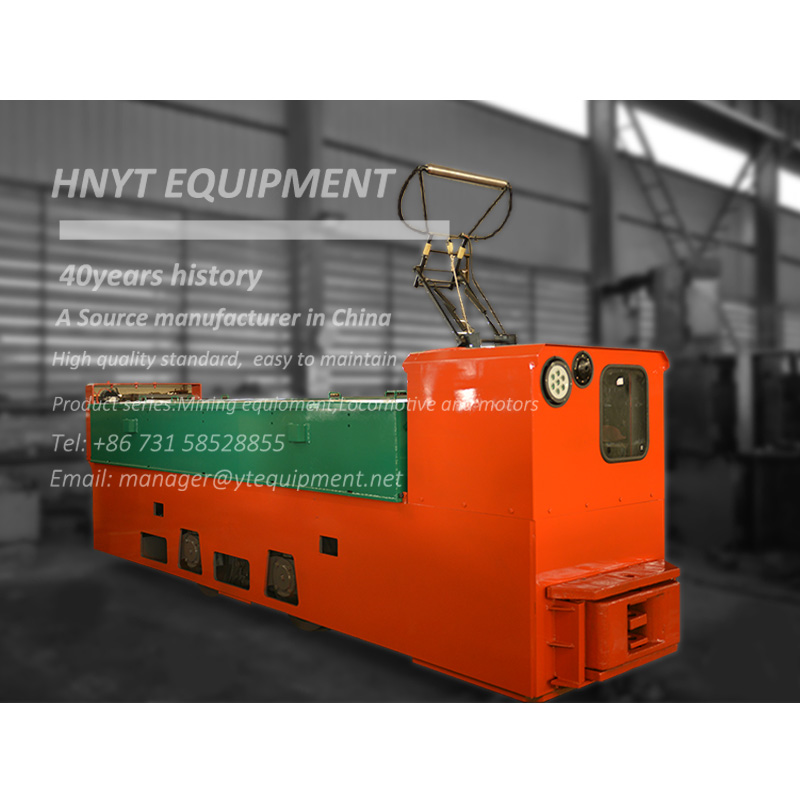
Electric braking in a trolley wire mining locomotive is a vital system that ensures smooth and reliable operation. Unlike traditional friction brakes, it uses resistors to convert electrical energy into heat, providing stable braking performance.
Smooth and Efficient Braking
Electric braking regulates braking force by controlling current. This results in smoother stops with less vibration and shock compared to friction braking. It also provides higher energy conversion efficiency, making braking more effective.
Reduced Mechanical Wear
Since braking is achieved through resistors instead of friction pads, mechanical wear is minimized. This extends the service life of locomotive components and reduces maintenance costs.
Adjustable Braking Force
Electric braking allows flexible adjustment of braking power. Operators can change the braking current depending on track conditions, ensuring greater precision and safety during operation.
Energy Recovery Capability
Some trolley wire mining locomotives with advanced design can recover energy during braking. The system converts braking heat into electrical energy and feeds it back into the grid, improving energy efficiency.
Electric braking in a trolley wire mining locomotive offers smooth operation, reduced wear, flexible control, and energy recovery. These benefits make it a key choice for improving safety, efficiency, and sustainability in mining transportation. The advantages of electric braking highlight its importance for every modern trolley wire mining locomotive.