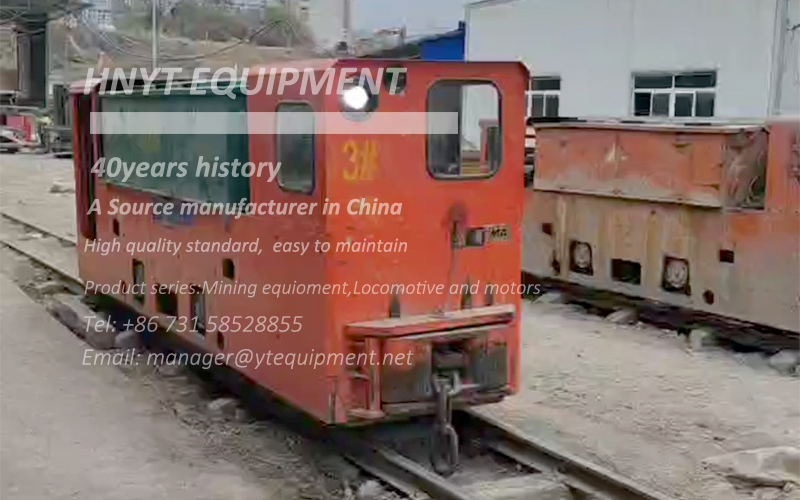
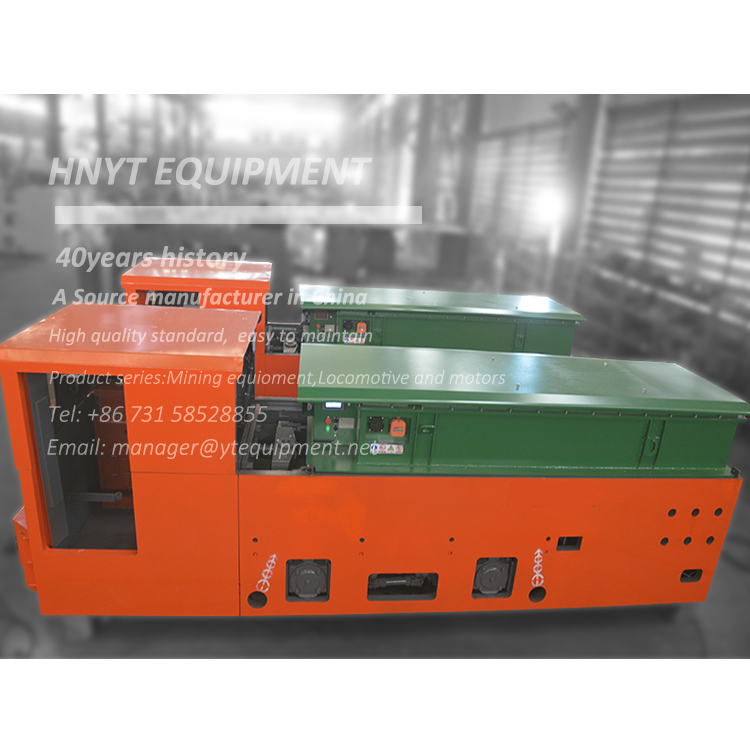
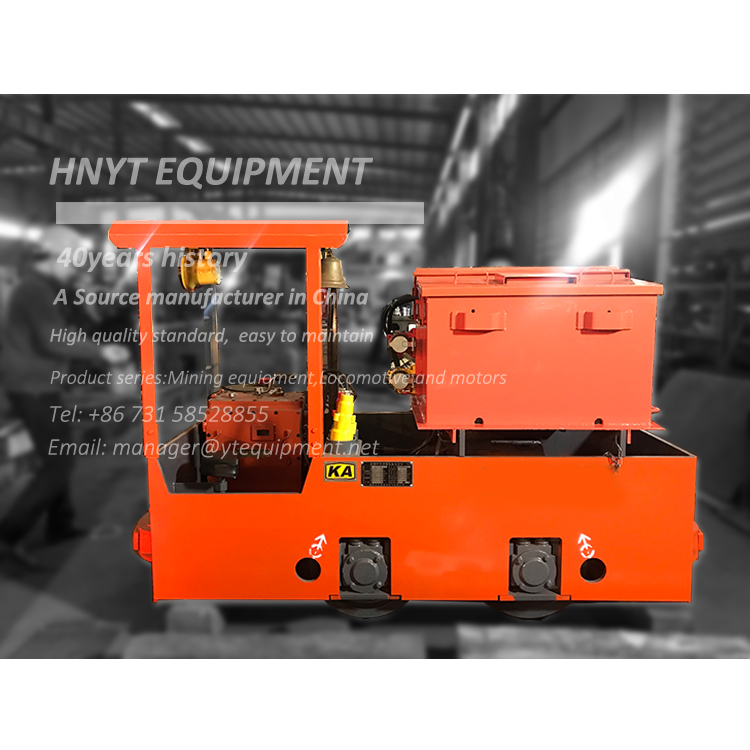
Effective battery-powered mine locomotive maintenance begins with a rigorous focus on the battery device, which is the heart of the vehicle’s operational capability. Because the battery provides the essential energy for both the motor and auxiliary systems, keeping this component in peak condition is vital for preventing unexpected downtime and ensuring consistent performance in underground environments.
Follow these key maintenance steps to keep your battery device running reliably.
1. Regular Battery Status Inspections
You must perform routine checks on the battery’s overall health, specifically monitoring its voltage, current, and total capacity. Maintaining an adequate charge level is the most basic step in ensuring the vehicle remains operational. If you notice a drop in voltage or a decrease in holding capacity, the battery should be recharged immediately or evaluated for replacement to avoid stalling during a shift.
2. Clean Terminals and Connectors
Corrosion and dirt are the enemies of electrical efficiency. Periodically clean the battery terminals and connectors to ensure a solid electrical contact. Using warm water and a clean cloth or soft brush, gently wipe away oxides and grime. Be extremely careful to prevent water or cleaning agents from entering the internal compartments of the battery, as this can cause permanent damage.
3. Verify Brackets and Fastening Devices
Mining environments involve significant vibration and physical shocks. You should regularly inspect the battery brackets and all fixing devices to ensure they are tight and secure. Confirming that the battery is locked in its correct position prevents it from shifting or becoming disconnected while the locomotive is in motion, which is a major safety hazard.
4. Inspect the Charging Infrastructure
The battery device's performance is only as good as the system that refills it. Periodically check the status of the entire charging system, including the charger itself, the connection cables, and the charging plugs. Ensuring that the system functions correctly allows the battery to reach its intended voltage and capacity every time it is plugged in.
5. Adjust and Optimize Charging Parameters
Depending on the specific age of your battery and the manufacturer’s guidelines, you may need to adjust charging parameters. Setting the correct charging voltage, current, and duration is essential for maximizing battery life. Proper calibration helps you avoid the twin dangers of overcharging, which causes heat damage, and undercharging, which leads to sulfation and reduced capacity.
6. General Casing and Insulation Care
Beyond the electrical components, the physical shell of the battery requires attention. Clean the exterior casing and inspect the insulation and sealing performance of the housing. Keeping the unit sealed and well-insulated protects the internal cells from the moisture and dust prevalent in mining tunnels, ensuring long-term stability.
By adhering to these systematic procedures, operators can keep their equipment in excellent working condition while significantly extending the lifespan of expensive battery components. Prioritizing battery-powered mine locomotive maintenance is the most effective way to guarantee the safety and stability of your underground transport operations. When performing these tasks, always refer to standard operating protocols and use appropriate safety gear to protect your maintenance team.