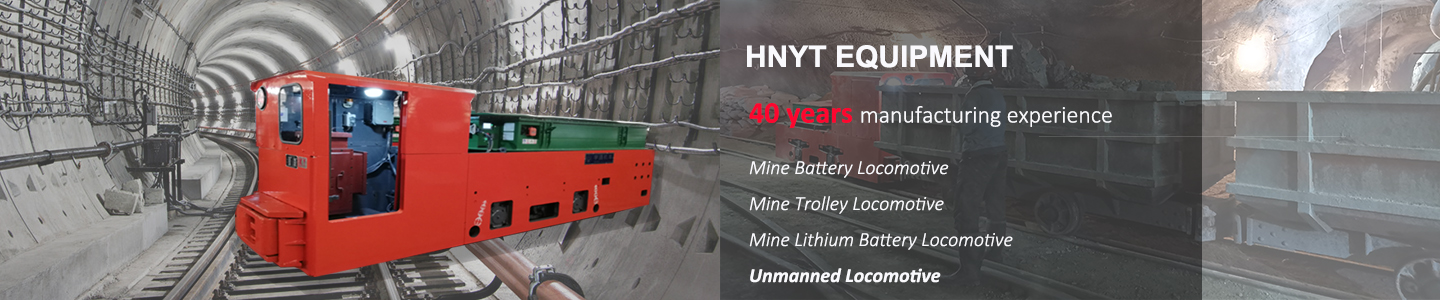
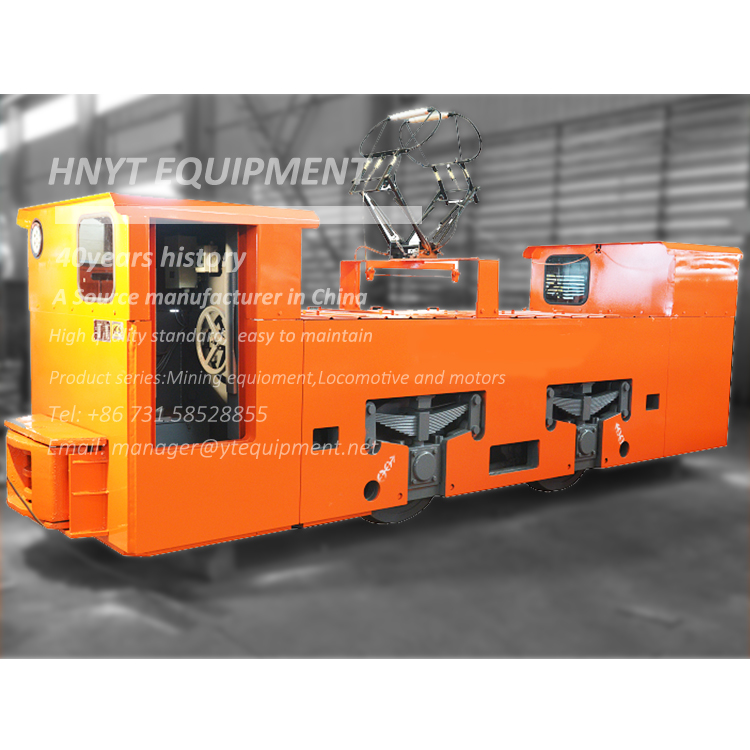
A lithium battery electric locomotive delivers significant advantages over traditional lead-acid battery locomotives, making it a popular choice in modern mining operations that demand efficiency, safety, and long service life.
Lithium battery locomotives require very little daily maintenance. There is no need to add electrolyte or perform regular fluid checks. Even more impressive is the fast-charging capability—many lithium battery locomotives can charge for only two hours and operate for up to eight hours, greatly improving productivity.
Traditional lead-acid batteries release acidic fumes during use and produce harmful gases during charging. Lithium batteries avoid these issues entirely. Their clean operation helps improve underground air quality and supports the development of greener, more sustainable mining environments.
Safety is another strong advantage. Lithium batteries do not produce hazardous gases and avoid the gassing phenomenon common in lead-acid batteries. In addition, an advanced Battery Management System (BMS) continuously monitors and protects the battery pack, ensuring stable and safe performance throughout its operation.
Lithium battery packs offer a much longer life cycle—often more than 3,000 charge cycles. With one or two charging cycles per day, a lithium battery electric locomotive can typically serve reliably for 5 to 8 years. This longer lifespan helps reduce long-term operating costs and minimizes downtime.
Beyond fast charging and long life, lithium batteries deliver excellent performance. They support high discharge rates and provide strong power output, enabling locomotives to handle heavy loads, long distances, and challenging gradients with ease.
In summary, a lithium battery electric locomotive stands out because it is convenient, clean, safe, long-lasting, and highly efficient—making it a clear upgrade over lead-acid battery locomotives in today’s mining industry.