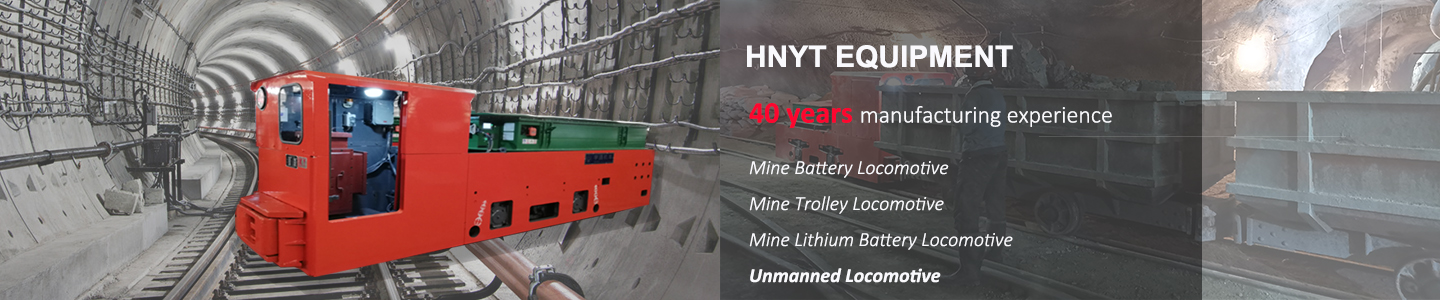
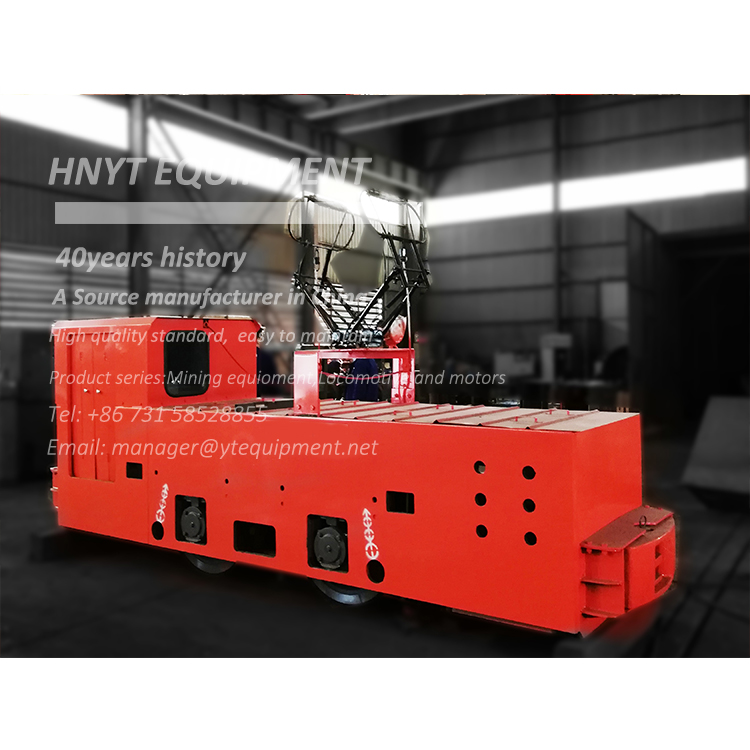
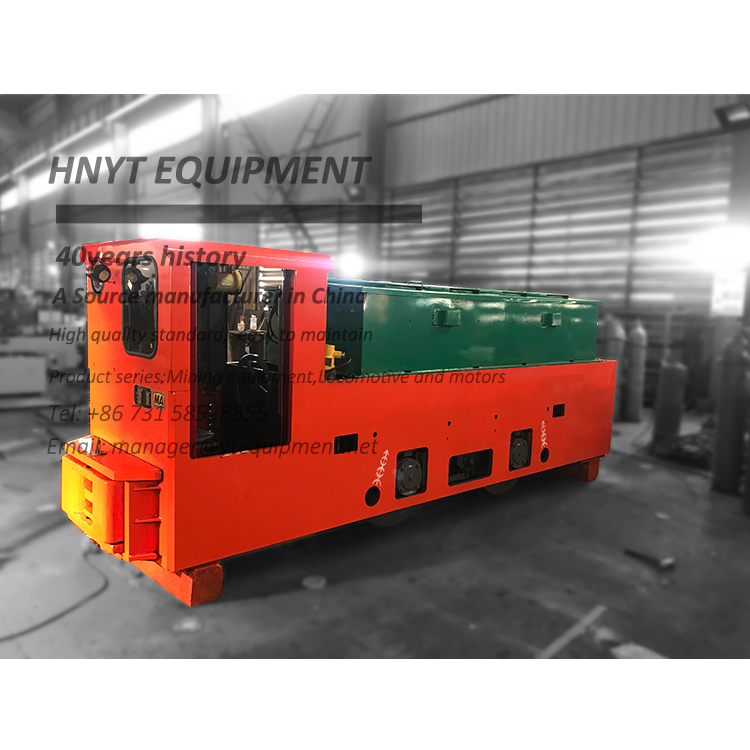
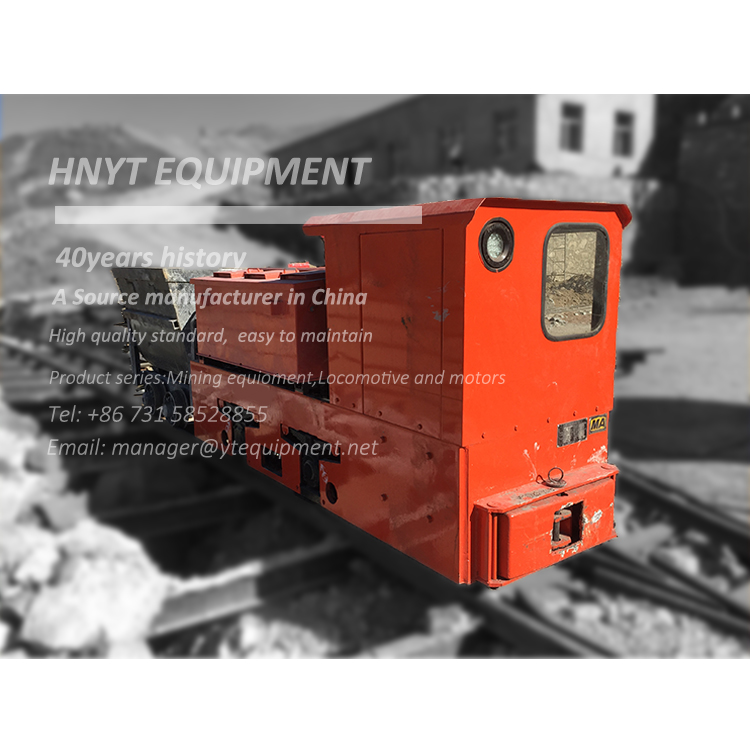
A 2.5 ton battery underground locomotive may show slow starting speed due to several possible causes. Identifying the exact reason requires careful inspection and diagnosis. Below are the main factors that can affect the starting performance of a 2.5 ton battery underground locomotive.
1. Battery Performance Issues
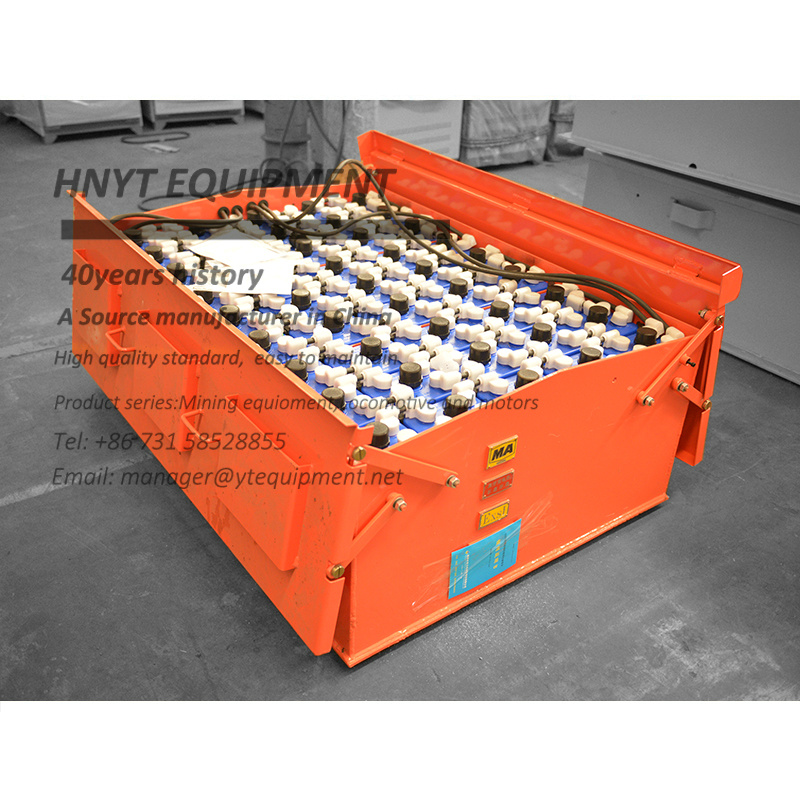
The most common reason is a weak battery. A 2.5 ton battery underground locomotive relies on stable power supply. Battery aging, low charge, internal damage, or low electrolyte concentration can reduce power output. This loss of performance directly slows down the starting speed.
2. Motor Problems
The motor itself can also cause issues. Faulty windings, worn bearings, or mechanical damage may increase resistance. When the motor cannot deliver enough power, the 2.5 ton battery underground locomotive will struggle to start quickly.
3. Electrical System Faults
Poor electrical connections reduce energy transfer. Loose terminals, damaged cables, or weak contacts can block current flow. Such faults lower efficiency and delay the locomotive’s start. Regular checks of the electrical system are essential for safe operation.
4. Controller Settings
Sometimes the problem lies in the controller. If the controller response time is set too long, the 2.5 ton battery underground locomotive may hesitate when starting. Adjusting the settings can improve response and speed.
Professional Inspection and Maintenance
When a 2.5 ton battery underground locomotive shows slow starting, skilled technicians should inspect it. They can test the battery, check the motor, examine wiring, and adjust the controller. Timely repairs not only solve slow start problems but also ensure safe and reliable underground operations.
A 2.5 ton battery underground locomotive may start slowly due to battery, motor, wiring, or controller issues. Regular inspection and maintenance are the best ways to avoid delays. By addressing problems quickly, operators can extend equipment life and keep the 2.5 ton battery underground locomotive running safely and efficiently.